

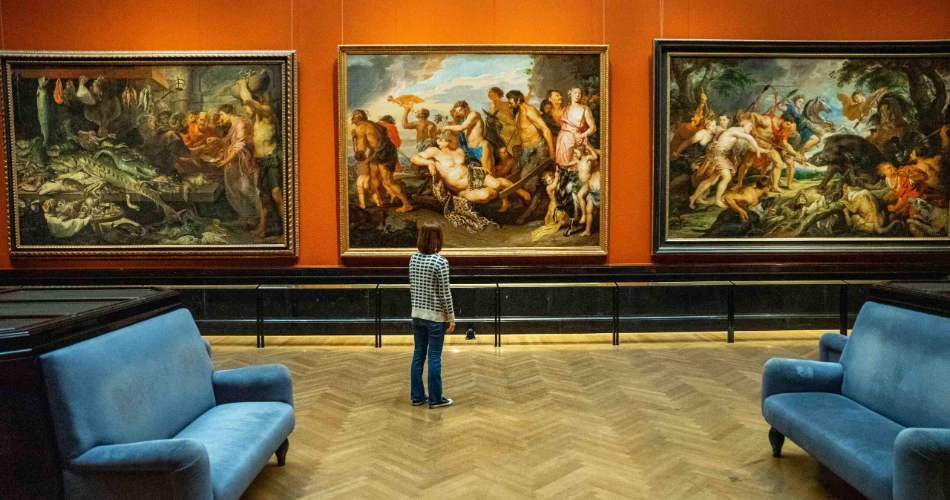
The Kunsthistorisches Museum Vienna is one of the most celebrated cultural institutions in Europe. Built to showcase the extraordinary art collections of the Habsburg dynasty, this museum combines architectural splendor with priceless works of art. Opened in 1891, it houses masterpieces by legendary painters such as Peter Paul Rubens, Johannes Vermeer, and Caravaggio, alongside treasures from ancient Egypt, Greece, and Rome.
What makes this museum exceptional is not only the depth of its collections but also its setting. The building itself is a monument to Vienna’s imperial grandeur. Designed in Renaissance Revival style, its marble staircases, ornate ceilings, and lavish frescoes prepare visitors for the treasures within. Whether you are an art enthusiast, a student of European history, or a first-time traveler to Vienna, the Kunsthistorisches Museum offers an immersive journey into creativity, craftsmanship, and culture that spans thousands of years.
The Imperial Origins of the Kunsthistorisches Museum
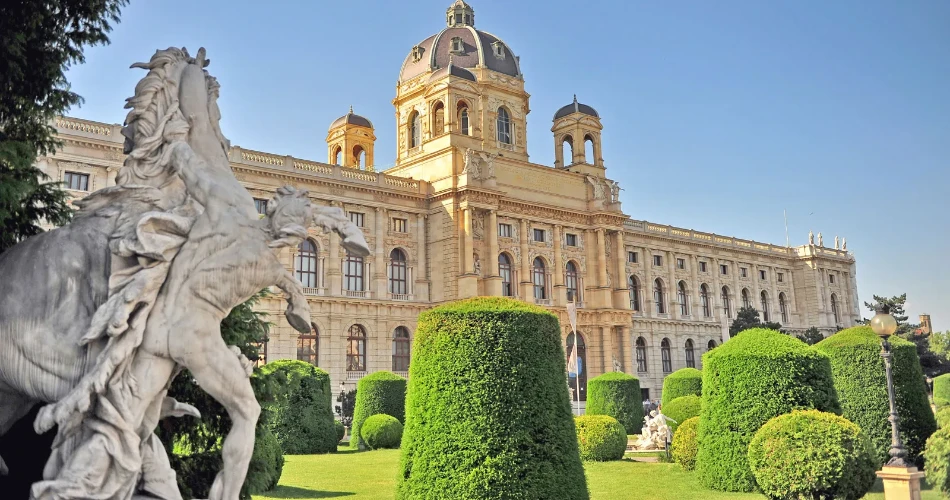
The Kunsthistorisches Museum was established under Emperor Franz Joseph I to give a home to the vast imperial collections accumulated by the Habsburg family over centuries. Before the museum was built, these masterpieces were scattered throughout the royal residences, inaccessible to the public. The emperor envisioned a single museum that would both preserve this legacy and present it in a space worthy of its significance.
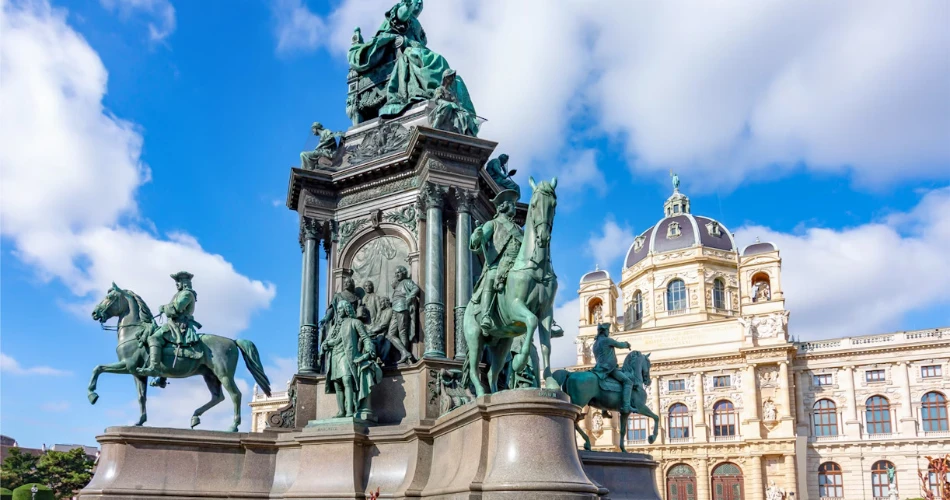
Architects Gottfried Semper and Carl Hasenauer designed the museum as part of Vienna’s monumental Ringstrasse project, creating a building that would embody both cultural pride and modern innovation. Completed in 1891, the museum immediately became a showcase of Vienna’s role as a center of European art and scholarship. Its twin building, the Natural History Museum, sits directly opposite on Maria-Theresien-Platz, emphasizing the balance between art and science in 19th-century Vienna. Today, the Kunsthistorisches Museum stands as a testament to imperial ambition and the enduring value of art as a public treasure.
Why the Kunsthistorisches Museum Is a Must-See
A visit to the Kunsthistorisches Museum Vienna is a highlight of any trip to Austria’s capital. The museum is internationally renowned for its Picture Gallery, which features one of the most significant collections of European painting from the Renaissance and Baroque periods. Visitors can stand in front of works by Titian, Raphael, Velázquez, and Rembrandt, as well as the celebrated masterpieces of Rubens, Vermeer, and Caravaggio.
But the museum’s scope goes far beyond painting. Its Egyptian and Near Eastern Collection spans four millennia, while its Greek and Roman Antiquities reveal the artistry of classical civilizations. The Kunstkammer Wien, or Chamber of Art and Wonders, houses exquisite Renaissance objects, scientific instruments, and intricately crafted mechanical devices. There is also one of the largest Coin Collections in the world, tracing the history of currency and medal-making across centuries. Together, these collections create a museum experience that appeals to all ages and interests, making it one of Europe’s most visited cultural landmarks.
Masterpieces of the Picture Gallery
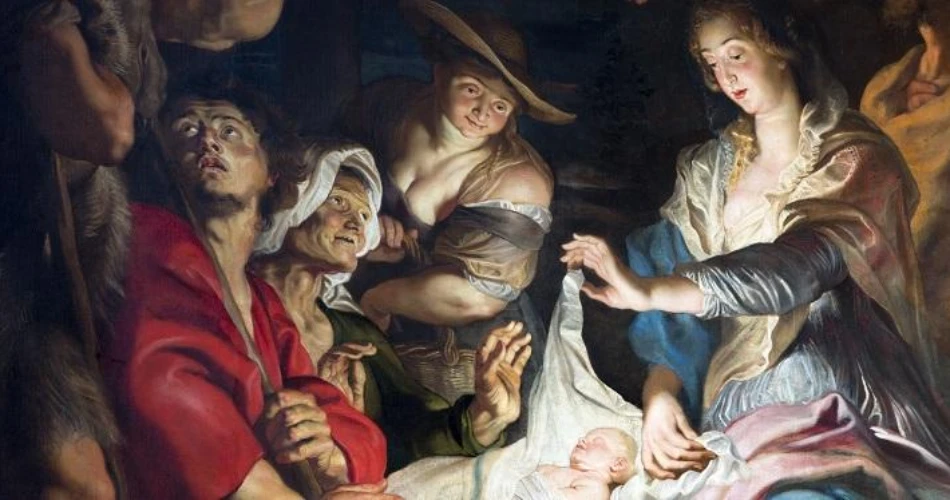
The Picture Gallery at the Kunsthistorisches Museum is considered one of the finest in Europe, offering a concentrated look at the development of Western painting from the 15th to the 18th centuries.
The Brilliance of Peter Paul Rubens
Rubens’ monumental canvases, including The Miracles of St. Francis Xavier and The Feast of Venus, embody the drama, movement, and vivid color of the Flemish Baroque. His work celebrates both human vitality and divine power, making him one of the most influential painters of his era.
The Serenity of Johannes Vermeer
Vermeer’s The Art of Painting is one of the museum’s crown jewels. This masterpiece reveals Vermeer’s gift for capturing light, texture, and atmosphere with extraordinary precision. Visitors often linger in front of this work to appreciate its serene beauty and layered symbolism.
The Intensity of Caravaggio
Caravaggio’s David with the Head of Goliath demonstrates his revolutionary approach to painting, using bold contrasts of light and shadow to heighten emotional impact. His raw realism and dramatic storytelling changed the course of European art, and seeing this painting up close is a profound experience.
These three artists alone make the museum worth visiting, but the gallery also features Raphael’s refined compositions, Titian’s sensual Venetian colors, and Velázquez’s regal portraits, offering a complete view of Renaissance and Baroque genius.
Beyond the Picture Gallery: Treasures of the Museum
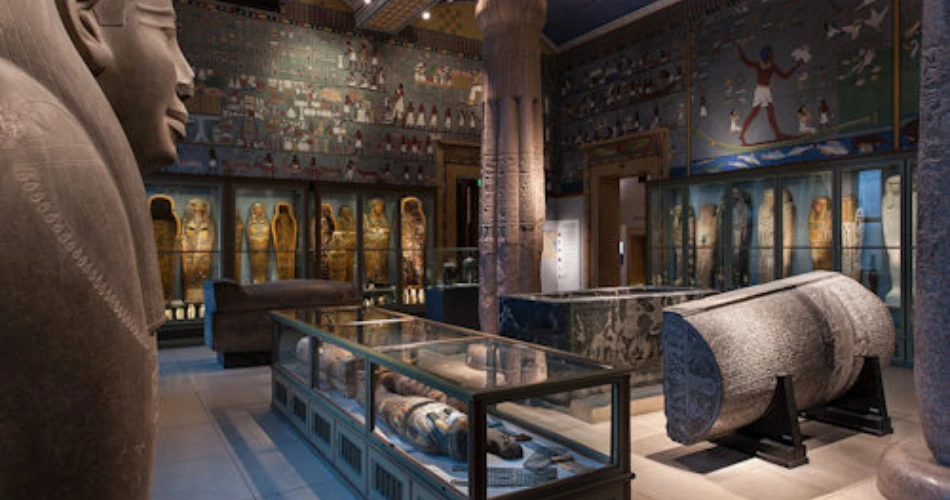
While the paintings attract much of the attention, the Kunsthistorisches Museum holds numerous other collections that are equally captivating:
Egyptian and Near Eastern Collection: Sarcophagi, mummies, statues, and papyrus documents provide insight into one of the world’s oldest civilizations.
Greek and Roman Antiquities: Marble sculptures, decorated vases, coins, and jewelry highlight the craftsmanship and cultural achievements of the classical world.
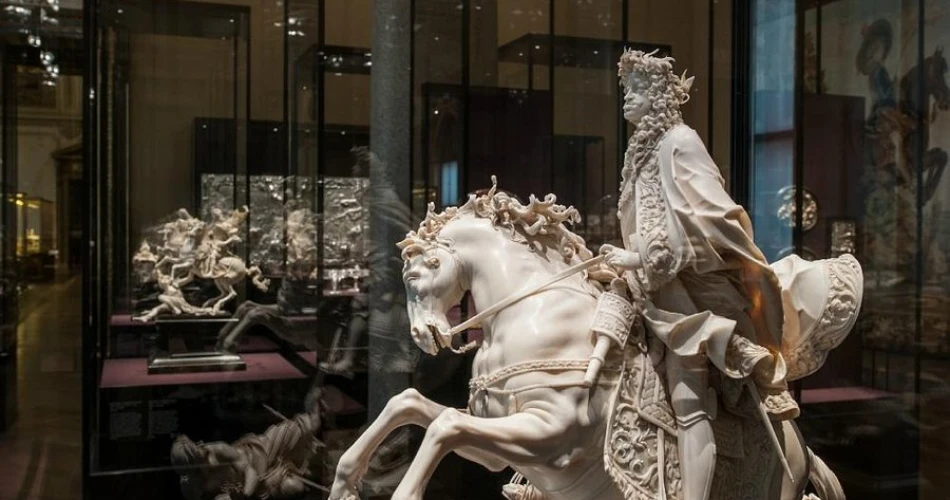
Kunstkammer Wien: This Renaissance “cabinet of curiosities” contains masterpieces of decorative arts, such as intricately carved ivory, mechanical clocks, and rare scientific instruments collected by the Habsburgs.
Coin Collection: With more than 600,000 items, this department charts the evolution of currency from ancient coins to modern medals, offering both artistic and historical perspectives.
These diverse exhibits make the Kunsthistorisches Museum not only an art gallery but also a global cultural archive that spans continents and eras.
Tips for Visiting the Kunsthistorisches Museum
To make the most of your time at the museum, consider these suggestions:
Plan enough time. Set aside at least two to three hours, as the collections are extensive and deserve unhurried exploration.
Purchase tickets in advance. This avoids waiting during peak tourist seasons or special exhibitions.
Consider a guided tour or audio guide. These provide context for the artworks and help you navigate the highlights efficiently.
Pause at the museum café. Located beneath the ornate dome, the café offers a relaxing setting to enjoy coffee and traditional Viennese pastries.
Visit during quieter hours. Early mornings and weekdays are less crowded, making it easier to appreciate the art in peace.
These practical steps ensure you experience the museum at its best, whether you are visiting for a few hours or an entire day.
How to Reach the Museum
The Kunsthistorisches Museum is located at Maria-Theresien-Platz, right in Vienna’s historic center. It is easily accessible by public transportation or on foot:
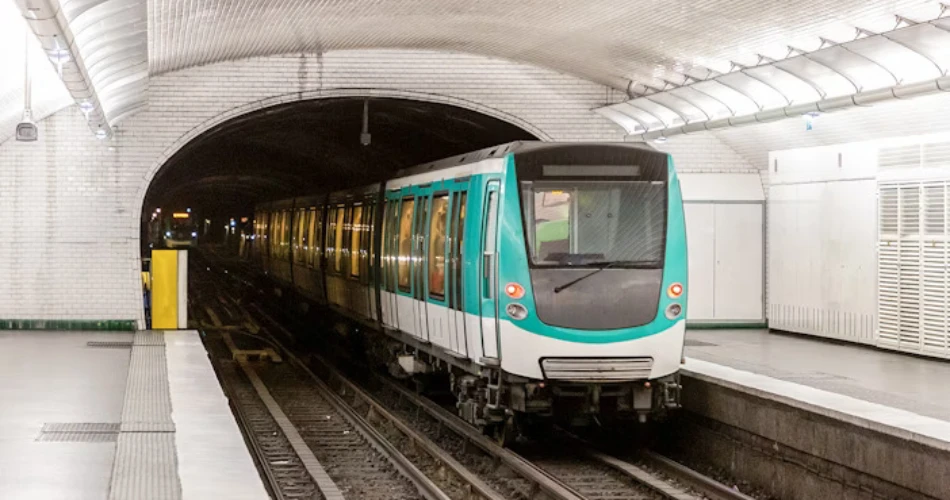
Metro: Take Line U2 to Museumsquartier or Line U3 to Volkstheater, both within walking distance.
Tram: Lines 1, 2, D, and 71 stop along the Ringstrasse near the museum.
Walking: The museum is close to major landmarks such as the Hofburg Palace and Vienna State Opera, making it convenient to include in a day of sightseeing.
Its central location also means you can combine your visit with other attractions in the area, such as the Natural History Museum, MuseumsQuartier, and Volksgarten.
Final Thoughts
The Kunsthistorisches Museum Vienna is far more than an art gallery—it is a journey through history, culture, and human creativity. Whether you are admiring Rubens’ bold energy, Vermeer’s quiet perfection, or Caravaggio’s raw power, you are standing face-to-face with the works that shaped European art.
Combined with its Egyptian treasures, classical antiquities, and imperial Renaissance collections, the museum offers something for every visitor. Its architectural splendor adds another layer of magnificence, making it one of the greatest cultural landmarks not only in Vienna but in all of Europe. For anyone visiting Austria’s capital, this museum is an essential stop—a place where the past comes alive through beauty, skill, and vision.