

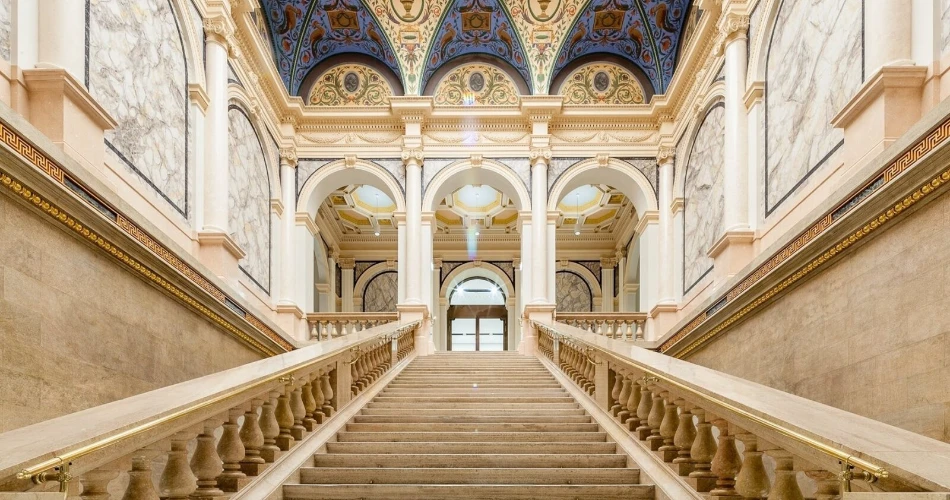
Vienna is a city that lives and breathes art, music, and imperial history. From its majestic palaces to its grand concert halls, every corner reflects centuries of cultural achievement. At the heart of this heritage is the Albertina Museum Vienna, an institution that combines breathtaking architecture with one of the world’s greatest graphic art collections. Visitors come to admire Old Master drawings, explore innovative modern exhibitions, and step inside the opulent State Rooms once used by Habsburg royalty.
Unlike many museums that specialize in a single era, the Albertina spans more than five centuries of visual culture. Its vast holdings showcase everything from delicate Renaissance sketches to bold contemporary works, creating a journey through the evolution of art itself. Whether you are a seasoned art lover or a curious traveler, the Albertina offers an experience that is both educational and unforgettable—one that reveals how Vienna continues to shape and celebrate world culture.
A Brief History of the Albertina Museum
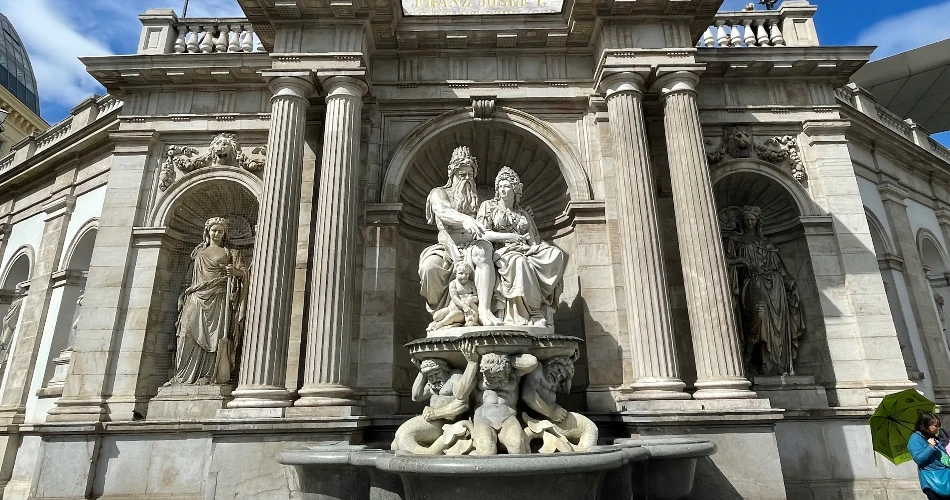
The story of the Albertina Museum Vienna begins with Archduke Albert of Saxony-Teschen, son-in-law of Empress Maria Theresa. In the late 18th century, Albert began collecting prints and drawings with extraordinary dedication, ultimately amassing thousands of works by some of the greatest artists of Europe. This private collection would later form the core of today’s Albertina holdings.
The museum is housed in the Albertina Palace, a stately neoclassical residence built atop one of Vienna’s old fortress walls. Over time, it evolved from a private aristocratic gallery into a public cultural landmark. The palace suffered damage during World War II, but careful restorations in the 1950s and a major renovation in the early 2000s restored its former glory. Architect Hans Hollein’s addition of the bold Soravia Wing symbolized a modern vision, showing that Vienna can preserve its past while embracing contemporary design.
Today, the Albertina is both a museum and a research institution, known for safeguarding fragile works on paper and curating exhibitions that bring them vividly to life for visitors worldwide.
The Graphic Art Collection – A Treasure Trove of Masterpieces
The Albertina holds more than one million prints and about 60,000 drawings, making it one of the largest and most important graphic art collections on the planet. These works trace over 500 years of artistic innovation, covering everything from Gothic manuscripts to modern graphic design.
The highlights are legendary: Albrecht Dürer’s “Young Hare” and “Praying Hands”, admired for their astonishing precision and lifelike detail; rare sketches by Leonardo da Vinci and Michelangelo, offering insight into the minds of Renaissance geniuses; and drawings by Raphael and Peter Paul Rubens, showing how great paintings first took shape on paper. Moving forward in time, the Albertina also preserves expressive works by Gustav Klimt, Egon Schiele, and Pablo Picasso, illustrating the dramatic shift from classical ideals to modern experimentation.
Because works on paper are delicate, they cannot remain on permanent display. Instead, the Albertina organizes rotating exhibitions, ensuring that different parts of the collection are shown throughout the year. This means no two visits are ever the same, rewarding both first-time visitors and repeat guests.
Modern and Contemporary Exhibitions
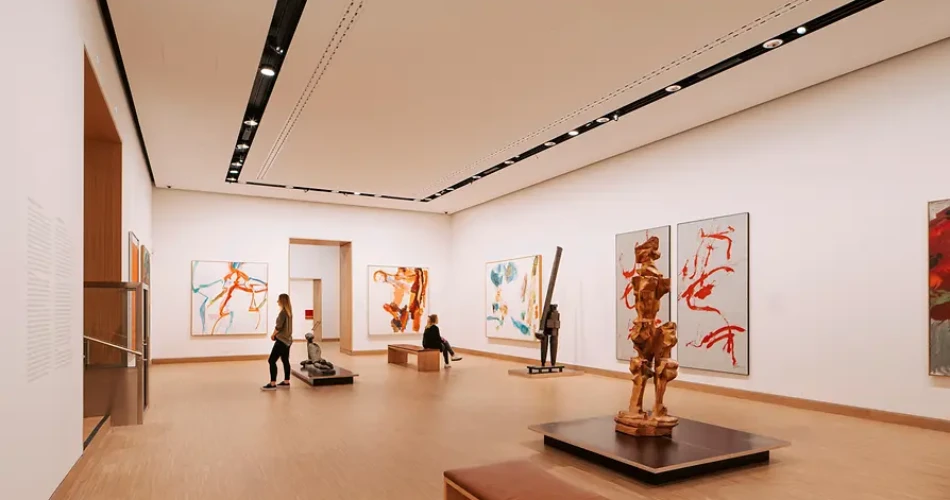
While its historic collection is world-famous, the Albertina Museum Vienna also stands at the forefront of modern and contemporary art. The museum regularly organizes large-scale exhibitions featuring 19th- and 20th-century masters as well as cutting-edge artists of today.
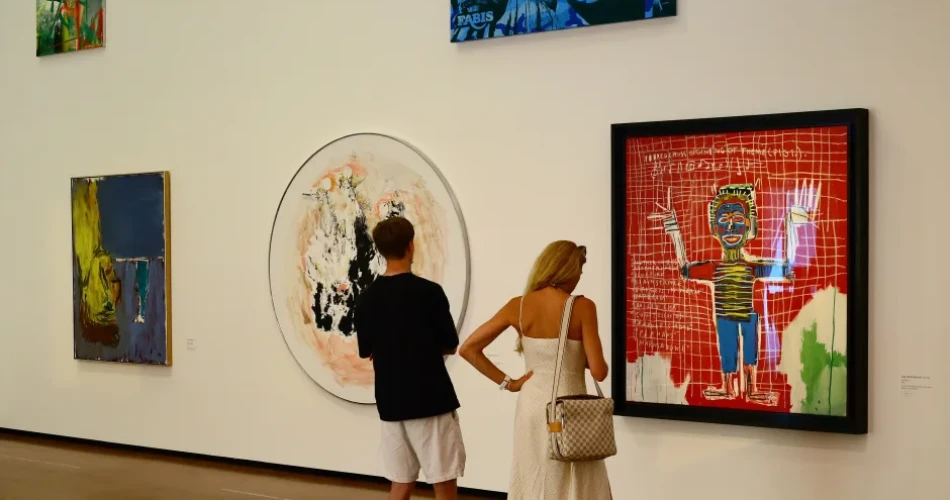
Past shows have explored Claude Monet’s Impressionist landscapes, Pablo Picasso’s evolving style, and Andy Warhol’s Pop Art revolution. The museum has also celebrated Roy Lichtenstein’s bold graphics, Jean-Michel Basquiat’s vibrant urban canvases, and Keith Haring’s iconic street-inspired forms, proving that Vienna is not confined to its imperial past. Photography exhibitions are another strong point, highlighting both historical photography and experimental contemporary work.
This dynamic programming gives the Albertina a truly global character. It appeals not only to lovers of Old Masters but also to anyone curious about how art reflects modern society. Every season brings fresh perspectives, making the Albertina an evolving cultural hub rather than a static collection.
The State Rooms – A Glimpse into Imperial Vienna
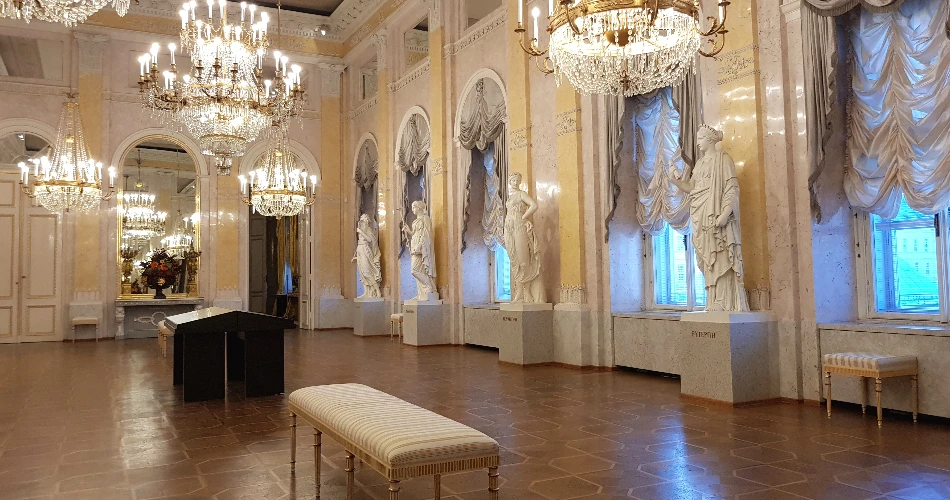
Beyond the galleries, the Albertina Museum Vienna contains some of the most beautifully preserved aristocratic interiors in the city. The State Rooms were once the residence of Archduke Albert and his wife, Archduchess Marie Christine, and they retain the luxury of Vienna’s Habsburg court.
Step inside and you’ll find sparkling chandeliers, silk-covered walls, gilded stucco, and polished parquet floors, all meticulously restored. These rooms reflect the lifestyle of European nobility in the late 18th and early 19th centuries, where diplomacy, art collecting, and lavish social gatherings shaped Vienna’s reputation as a center of refinement.
Walking through the State Rooms is like entering another world. They add a layer of history to the museum experience, reminding visitors that the Albertina is not just an art venue—it is also a palace with its own imperial story. Combining these historic interiors with world-class exhibitions creates an unforgettable contrast of past and present.
Practical Information for Visiting the Albertina Museum
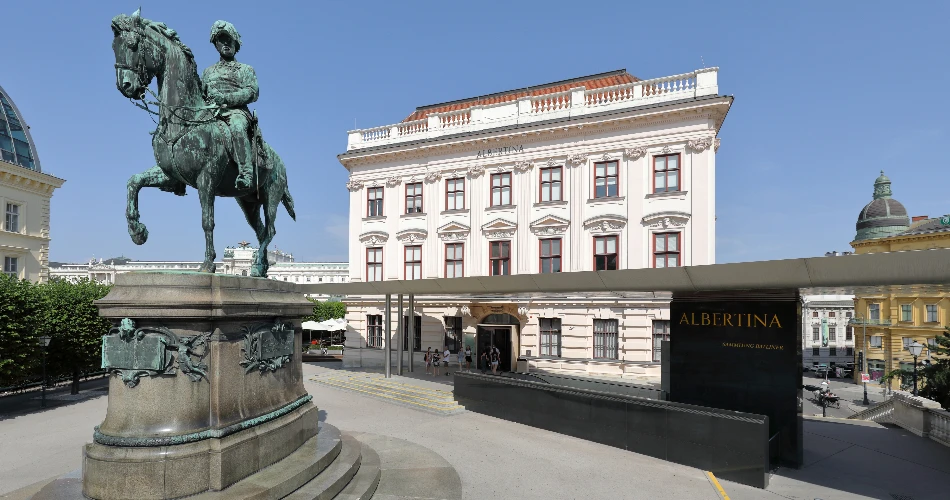
The Albertina Museum Vienna enjoys a prime location in the city’s first district, only a short walk from the Vienna State Opera, Hofburg Palace, and Kärntner Straße shopping street. This central position makes it easy to include in any walking tour of Vienna.
Opening hours: The museum typically opens daily from 10:00 AM to 6:00 PM, with extended evening hours on select days. Schedules can vary during special exhibitions, so it’s best to confirm details on the museum’s official website.
Tickets: Prices depend on current exhibitions. Reduced admission is available for students, seniors, and groups. The Vienna Pass often includes entry to the Albertina, making it a convenient option for travelers planning to visit multiple attractions.
Tours and amenities: Guided tours in several languages provide deeper insight into the collections, while audio guides allow for flexible exploration. Facilities include a stylish café serving Viennese treats, a bookstore full of art publications, and a cloakroom. Plan at least two to three hours to fully appreciate both the art and the palace itself.
Tips to Enhance Your Experience
Arrive early or late in the day to avoid large crowds, especially during blockbuster exhibitions.
Check the exhibition schedule in advance to see which rare drawings or modern shows are on view.
Spend time in the State Rooms—their opulent design adds context to the museum’s cultural heritage.
Combine your visit with nearby sights such as St. Stephen’s Cathedral or the Vienna State Opera for a full day in the city center.
Take in the terrace view from the Albertina, where you can enjoy stunning perspectives of Vienna’s historic streets and monuments.
Following these tips ensures you won’t miss any of the museum’s highlights and will enjoy your visit at a relaxed pace.
Final Thoughts
A visit to the Albertina Museum Vienna is a journey through over five centuries of artistic brilliance and cultural history. From Renaissance sketches to Pop Art, from imperial palace halls to cutting-edge exhibitions, the Albertina is both timeless and ever-changing.
For travelers, it’s a must-see landmark that reflects Vienna’s dual identity—deeply rooted in tradition yet open to modern innovation. If you’re planning a trip to Austria’s capital, make time for the Albertina and experience why it continues to rank among the world’s leading museums.