

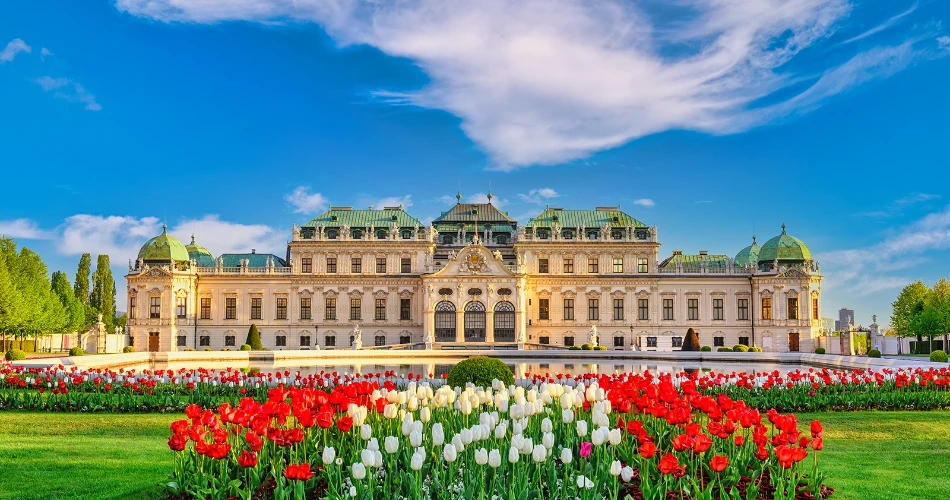
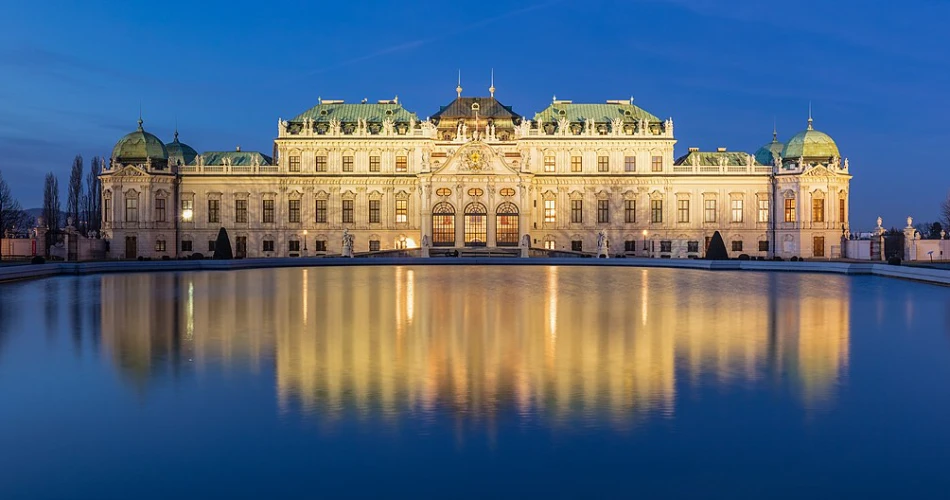
Vienna is a city where imperial history and artistic innovation meet at every corner. Among its many landmarks, Belvedere Palace stands as one of Austria’s greatest cultural treasures. Built as a summer residence for Prince Eugene of Savoy in the early 18th century, this palace complex today combines baroque elegance with one of Europe’s finest art collections.
Most visitors know Belvedere as the home of Gustav Klimt’s world-famous painting The Kiss, but there is much more to see. With its symmetrical gardens, richly decorated halls, and galleries filled with masterpieces from the Middle Ages to modernism, Belvedere Palace is both a visual and historical feast. This guide covers everything you need for a rewarding visit.
A Brief History of Belvedere Palace
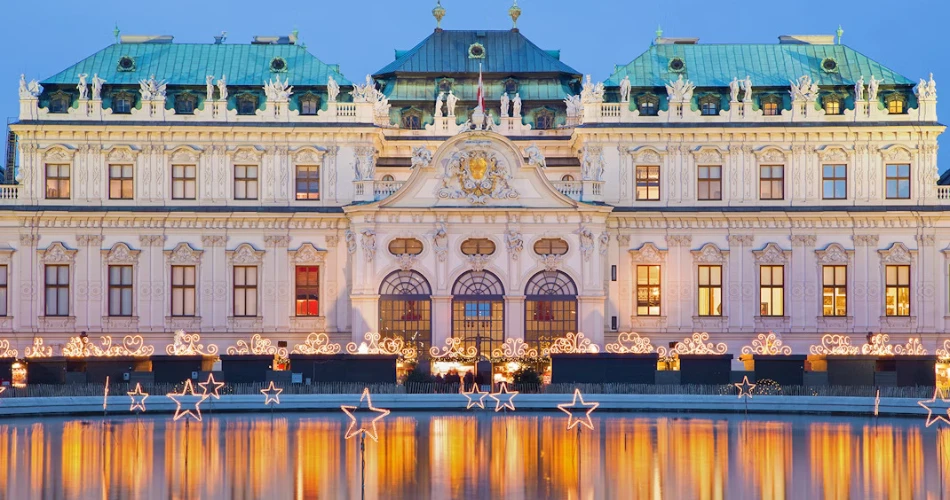
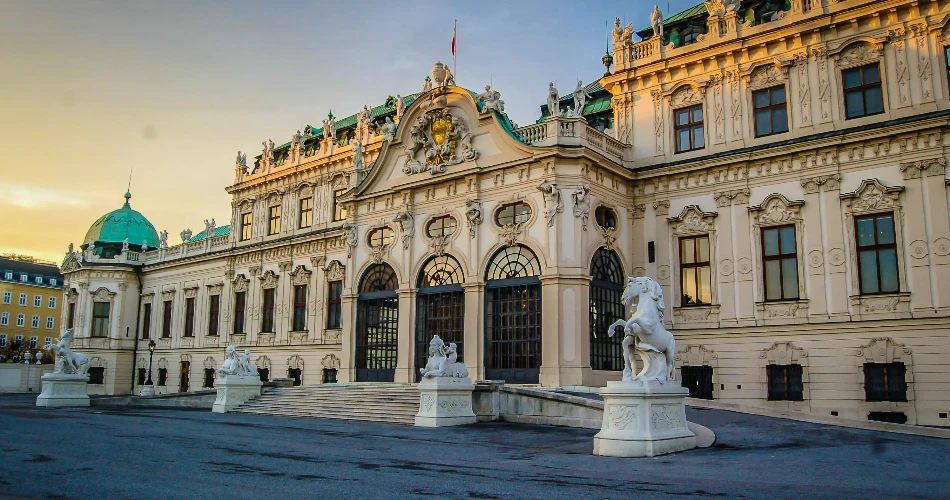
The palace was constructed between 1712 and 1723 by architect Johann Lukas von Hildebrandt for Prince Eugene of Savoy, one of the Habsburg Empire’s most celebrated military commanders. It was designed as a lavish summer retreat and a venue for diplomatic receptions.
Belvedere is divided into two main palaces:
Lower Belvedere housed the prince’s private apartments.
Upper Belvedere served as a ceremonial space to impress guests and display his art collection.
The palaces are linked by terraced baroque gardens, designed by landscape architect Dominique Girard to symbolize a harmonious connection between architecture and nature.
After Prince Eugene’s death, the palace complex became part of the Habsburg holdings. In the 20th century, Belvedere Palace was transformed into an art museum, now home to Austria’s national collection and some of its most iconic works, including Klimt’s The Kiss.
Gustav Klimt’s The Kiss: The Jewel of Upper Belvedere
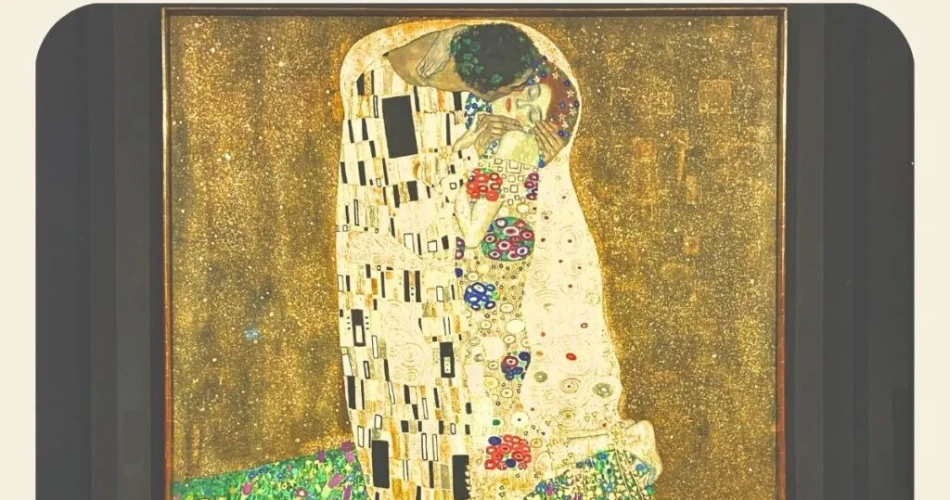
No trip to Belvedere Palace is complete without seeing Gustav Klimt’s The Kiss (1907–1908). This masterpiece, created during Klimt’s “Golden Phase,” depicts two lovers entwined in a tender embrace, surrounded by shimmering gold leaf.
Why This Painting Matters
Klimt fused traditional techniques with bold, modern design, creating a timeless symbol of love and artistic freedom.
The use of gold and geometric patterns reflects the influence of Byzantine art and Vienna’s own Secessionist movement.
The painting’s universal themes have made it one of the most recognized and reproduced artworks in the world.
The Upper Belvedere holds the largest Klimt collection in existence, including works such as Judith, Portrait of Fritza Riedler, and Adam and Eve. The gallery’s subdued lighting enhances the impact of these works, allowing viewers to appreciate Klimt’s use of color, ornamentation, and symbolism in detail.
Tip for visitors: Spend time with the audio guide or take a guided tour to learn about Klimt’s artistic circle and the cultural changes taking place in Vienna around 1900.
The Baroque Gardens: A Living Masterpiece
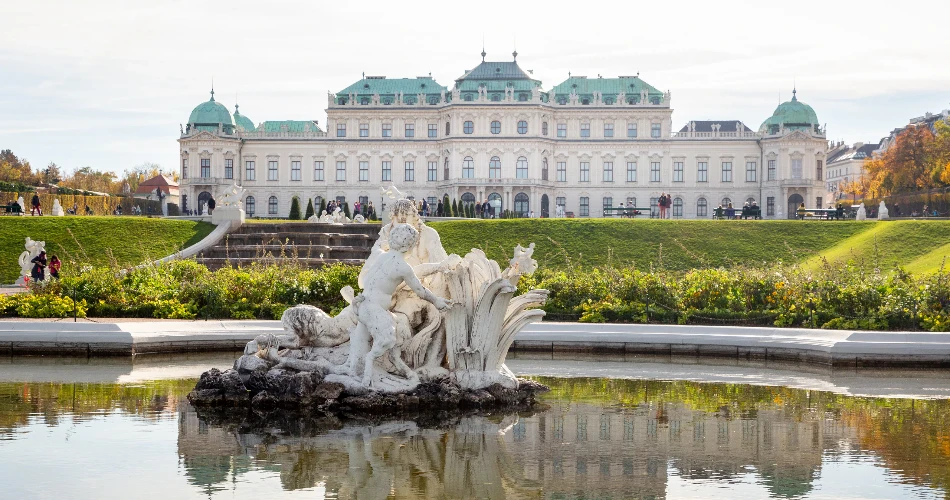
The gardens that connect Upper and Lower Belvedere are not simply decorative—they are integral to the palace’s design. Inspired by French formal gardens, they are laid out in three terraces that descend from the Upper Belvedere toward the Lower Belvedere.
Upper terrace: Offers spectacular views of Vienna’s skyline, framed by fountains and statues.
Middle terrace: Features mythological sculptures and flowing water, symbolizing the descent from heaven to earth.
Lower terrace: Provides shaded paths and flowerbeds, creating a tranquil atmosphere for reflection.
The gardens change character with the seasons. In spring, tulips and magnolias brighten the grounds; in summer, manicured lawns and roses are in full bloom; in autumn, golden foliage transforms the palace surroundings into a painterly scene.
Tip for visitors: Arrive early or in the late afternoon to enjoy the gardens without large crowds and to capture the best light for photographs.
Inside the Palaces: Upper and Lower Belvedere
Upper Belvedere
This is the main attraction for art lovers. Alongside Klimt, the museum showcases Austrian works from the Middle Ages to the 20th century. Notable highlights include:
The Marble Hall: A grand reception room with frescoed ceilings and views of the gardens.
Austrian Baroque Art: Works by masters such as Paul Troger and Franz Anton Maulbertsch.
19th- and 20th-Century European Art: Paintings by Monet, Van Gogh, and Caspar David Friedrich.
Lower Belvedere
This palace reveals the private side of Prince Eugene. Its richly decorated rooms include:
The Marble Gallery: A long, elegant hall used for ceremonies.
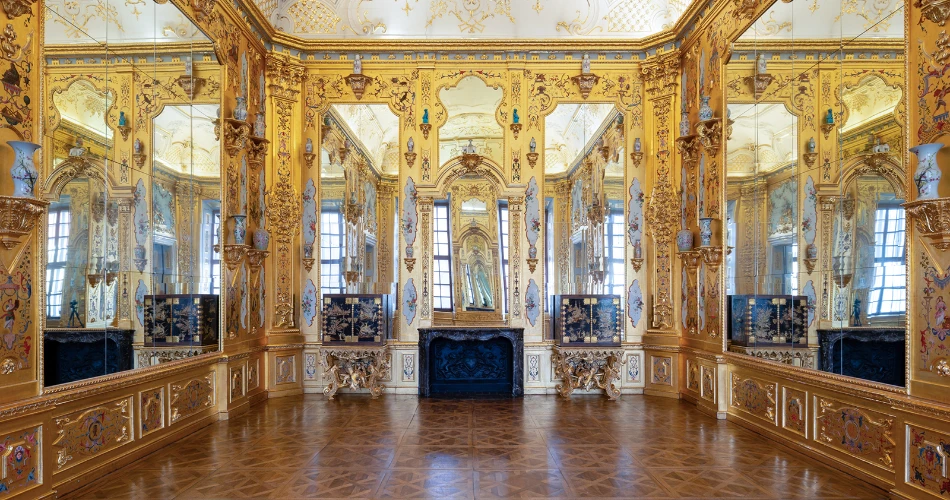
The Golden Cabinet: A room adorned with gold-leaf details and mirrors.
Temporary Exhibitions: Often featuring baroque or early modern art.
The Orangery and Stables
These spaces once housed exotic plants and royal horses. Today, they serve as exhibition halls for contemporary art, providing a fascinating contrast to the historical interiors of the main palaces.
Planning Your Visit: Practical Information
Opening Hours
Upper Belvedere: Typically open daily from 9:00 a.m. to 6:00 p.m.
Lower Belvedere and Orangery: Usually open until 5:00 p.m.
Gardens: Open daily from early morning until dusk and free to enter.
(Hours may vary by season. Always check current schedules before visiting.)
Tickets
Single tickets grant access to either Upper or Lower Belvedere.
Combo tickets cover both palaces and Belvedere 21, the museum of contemporary art.
Discounts are available for students, seniors, and children. Online tickets help avoid long lines.
Best Times to Go
Morning (9:00–11:00 a.m.) is ideal for seeing Klimt’s The Kiss before tour groups arrive.
Spring and autumn provide pleasant weather and beautiful gardens.
Weekdays are less crowded than weekends or holidays.
Tours and Guides
Audio guides offer detailed background on Klimt and Austrian art.
Guided tours provide deeper context about the palace’s history and collections.
Practical Tips for an Enjoyable Experience
Photography: Permitted without flash in most areas. Tripods are usually not allowed.
Accessibility: Elevators and ramps make the complex accessible for visitors with limited mobility.
Weather: The gardens are best enjoyed on clear days; carry sunscreen in summer or an umbrella in spring.
Souvenirs: The palace shop offers Klimt reproductions, jewelry, and art books.
Getting there: Trams D and O or bus 13A stop nearby; the palace is about 15 minutes from Vienna’s center.
Conclusion
Belvedere Palace is not simply a museum or a historical site—it is a complete cultural experience. Visitors can admire Gustav Klimt’s The Kiss, explore galleries filled with Austrian and European masterpieces, and relax in some of the most beautiful baroque gardens in Europe. Whether you spend a few hours or a full day, Belvedere offers an unforgettable glimpse into Vienna’s imperial past and artistic brilliance.