

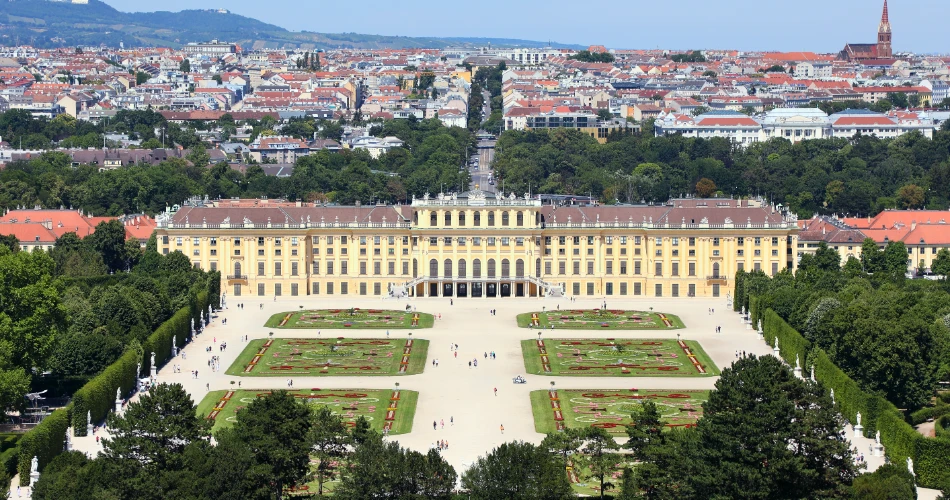
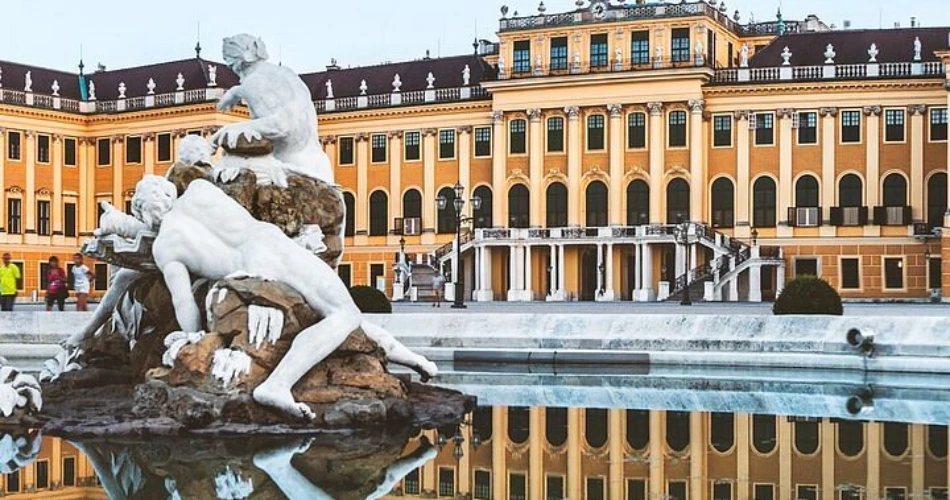
Schönbrunn Palace & Gardens are Vienna’s most famous landmark, an elegant Baroque masterpiece that reveals the grandeur of Austria’s imperial past. Once the summer residence of the powerful Habsburg dynasty, this UNESCO World Heritage Site combines opulent interiors with exquisitely designed landscapes. With over 1,400 rooms, sprawling avenues, statues, fountains, and the city’s best panoramic viewpoints, Schönbrunn is more than just a palace—it’s an immersive experience into history, art, and nature.
Whether you’re a first-time visitor or returning to Vienna, Schönbrunn Palace & Gardens never fail to impress. In this detailed guide, you’ll uncover the palace’s rich history, explore its imperial rooms, stroll through breathtaking gardens, and get practical advice to make your visit seamless.
A Glimpse Into the History of Schönbrunn Palace
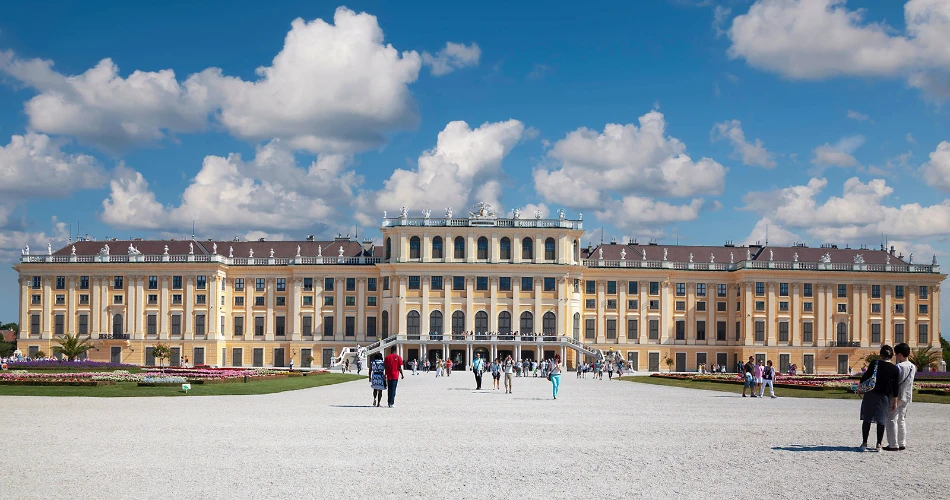
The origins of Schönbrunn Palace date back to the late 1600s, when Emperor Leopold I commissioned a hunting lodge on the estate. In the mid-18th century, Empress Maria Theresa transformed it into the Habsburgs’ lavish summer residence, turning it into one of Europe’s grandest royal complexes. Under her reign, Schönbrunn became the stage for diplomatic receptions, royal weddings, and cultural milestones—most famously, a six-year-old Mozart performing for the imperial court.
Architecturally, the palace is a Baroque marvel. Its symmetrical design, ornate façades, and richly decorated interiors embody the wealth and influence of the Habsburg monarchy. The estate witnessed the reign of Emperor Franz Joseph, who spent most of his life here with his beloved Empress Elisabeth (Sisi). Every wall tells a story—from imperial decisions that shaped European politics to the private lives of emperors and empresses. In 1996, UNESCO recognized Schönbrunn Palace & Gardens as a World Heritage Site for their cultural significance and exceptional preservation.
Touring the Imperial Rooms of Schönbrunn Palace
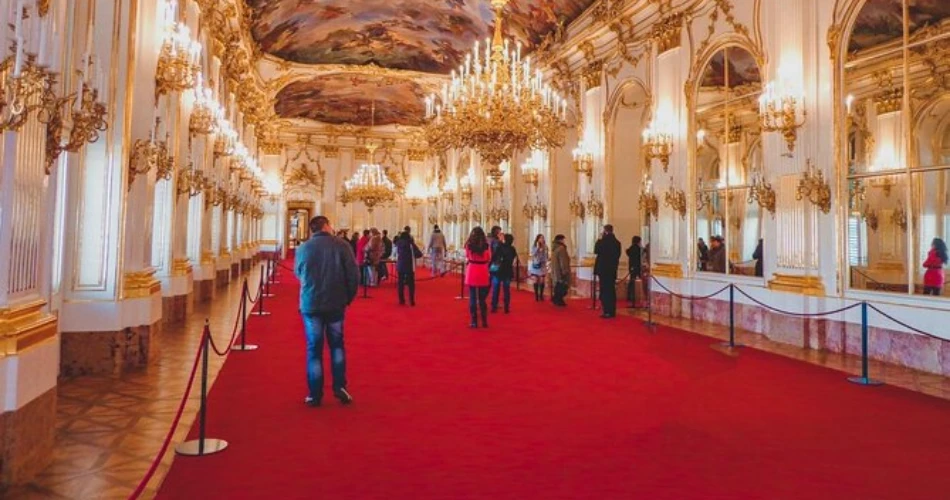
Schönbrunn Palace contains 1,441 rooms, though only a select number are open to the public. These rooms provide an extraordinary glimpse into imperial life, showcasing gilded Rococo decoration, priceless furnishings, and authentic historical artifacts.
Highlights include:
The Great Gallery – A magnificent ceremonial hall with sparkling crystal chandeliers and ceiling frescoes, once used for imperial banquets and diplomatic events.
The Hall of Mirrors – Famous as the venue where a young Mozart performed for Empress Maria Theresa in 1762.
Franz Joseph’s Private Apartments – Surprisingly modest, reflecting the emperor’s disciplined lifestyle despite his royal status.
The Blue Chinese Salon – A rare display of Eastern lacquer panels and porcelain, showing the 18th-century fascination with Asian art.
Visitors can choose between the Imperial Tour (22 rooms)—perfect for a shorter visit—and the Grand Tour (40 rooms), which includes additional private chambers. For deeper insights, guided tours in multiple languages reveal personal anecdotes, diplomatic stories, and cultural milestones tied to these rooms. Each tour highlights how Schönbrunn served both as a royal home and a symbol of Habsburg power.
Strolling Through the Schönbrunn Gardens
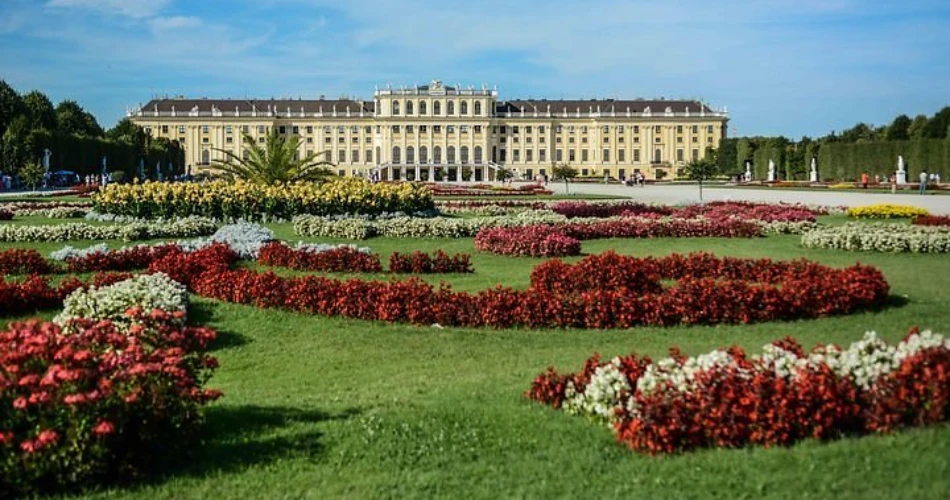
The Schönbrunn Gardens are a Baroque masterpiece in their own right, stretching across more than 400 acres. Designed with perfect symmetry, they blend manicured flowerbeds, sculptures, and tree-lined avenues into one of Europe’s finest formal gardens.
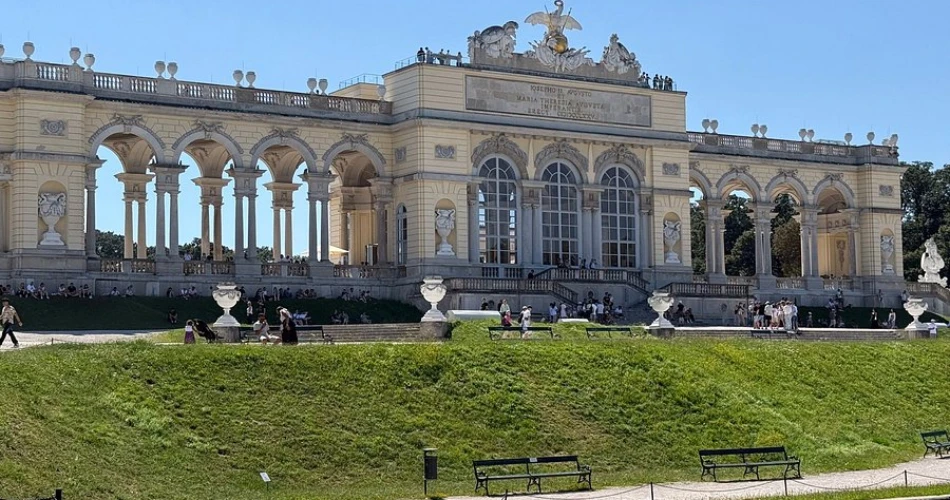
At the heart lies the Great Parterre, a grand ornamental garden filled with statues of mythological figures and intricate floral patterns. The path from the palace leads to the Neptune Fountain, an elegant Baroque centerpiece symbolizing imperial power. From there, a gentle uphill walk takes you to the Gloriette, a monumental structure built in 1775. From its terrace café, you’ll enjoy panoramic views of Vienna and the palace grounds.
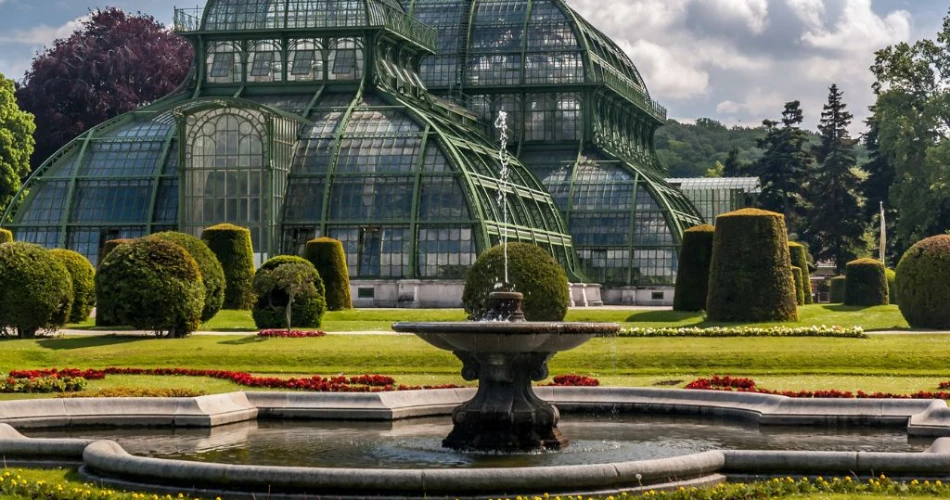
Other must-see features include the Maze and Labyrinth, a playful attraction for families, and the Palm House, a 19th-century greenhouse displaying rare tropical plants. The gardens change beautifully with the seasons: spring bursts with colorful flowers, summer lawns host concerts, autumn paints the landscape golden, and winter turns it into a serene snowy wonderland. Best of all, access to most of the gardens is free, making it a perfect place to unwind even if you skip the palace interior.
Practical Tips for Visiting Schönbrunn Palace & Gardens
Getting there: Schönbrunn Palace is easily accessible on Vienna’s U4 metro line (Schönbrunn station), with trams and buses stopping nearby. The main entrance is a short walk from public transport.
When to visit: To avoid crowds, visit early in the morning or late afternoon. Weekdays are quieter than weekends. Spring and autumn offer comfortable weather for exploring both indoors and outdoors.
Tickets and tours:
Book tickets online to skip long queues, especially during peak season.
Choose combination tickets if you plan to visit the Gloriette, zoo, or maze alongside the palace interior.
Consider guided tours for a richer understanding of the palace’s history and architecture.
What to bring: Comfortable walking shoes are essential for the expansive gardens. Carry water and snacks (though cafés are available on-site) and bring a camera for unforgettable photos of the Gloriette and Neptune Fountain.
Allow at least half a day to fully experience the palace and gardens without rushing.
Attractions Near Schönbrunn Palace
The palace is located in Vienna’s charming Hietzing district, which offers additional attractions worth exploring:
Tiergarten Schönbrunn (Vienna Zoo): The world’s oldest operating zoo, located within the palace grounds. It’s home to pandas, elephants, and over 700 species in naturalistic habitats.
Technisches Museum Wien (Technical Museum): A short walk from the palace, this museum showcases Austria’s contributions to science, technology, and industry.
Cafés and restaurants in Hietzing: After your palace visit, enjoy Viennese coffee and pastries such as apple strudel or Sachertorte in the elegant neighborhood cafés.
These nearby sights make Schönbrunn an ideal base for a full day of sightseeing and cultural discovery.
Why Schönbrunn Palace & Gardens Are a Vienna Must-See
Schönbrunn Palace & Gardens are more than just a tourist attraction—they’re a living monument to Austria’s imperial heritage. Inside the palace, you’ll discover rooms filled with original furnishings, personal artifacts, and stories of emperors and empresses who shaped European history. Outside, the beautifully landscaped grounds provide both grandeur and tranquility, offering everything from sweeping city views at the Gloriette to quiet corners for reflection.
Whether you’re passionate about history, fascinated by art and architecture, or simply looking for one of Vienna’s most scenic spots, Schönbrunn delivers an experience you won’t forget. Its combination of cultural depth, architectural beauty, and accessibility makes it a highlight of any trip to Vienna.
Final Thoughts
A visit to Schönbrunn Palace & Gardens is an essential part of exploring Vienna. Tour the imperial rooms to step inside the world of the Habsburgs, then wander through the vast Baroque gardens to admire their harmony and elegance. Plan ahead, arrive early, and give yourself time to experience both the interior and the grounds at a relaxed pace. Whether you’re captivated by history, nature, or stunning architecture, Schönbrunn promises a royal experience in every sense.