

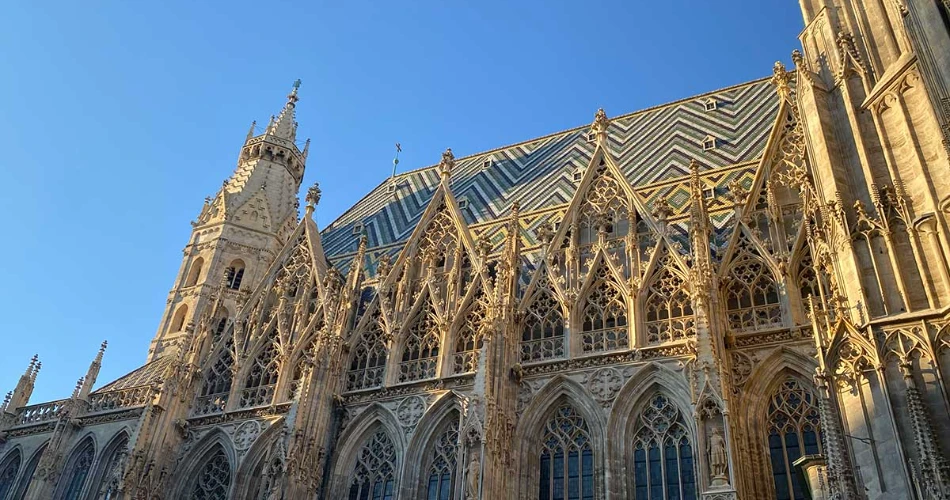
In the very heart of Vienna’s historic center, St. Stephen’s Cathedral (Stephansdom) rises above the skyline as the city’s most iconic landmark. Known for its Gothic spire, colorful tiled roof, and centuries of history, the cathedral attracts millions of visitors annually. Among its many highlights, the climb to the South Tower stands out as an unforgettable experience. From the top, you’ll enjoy breathtaking panoramic views of Vienna, stretching from medieval streets to the distant Vienna Woods.
This complete guide covers everything you need to know: the cathedral’s history and architecture, what to see inside, how to climb the South Tower, practical visiting tips, and nearby attractions.
A Brief History of St. Stephen’s Cathedral
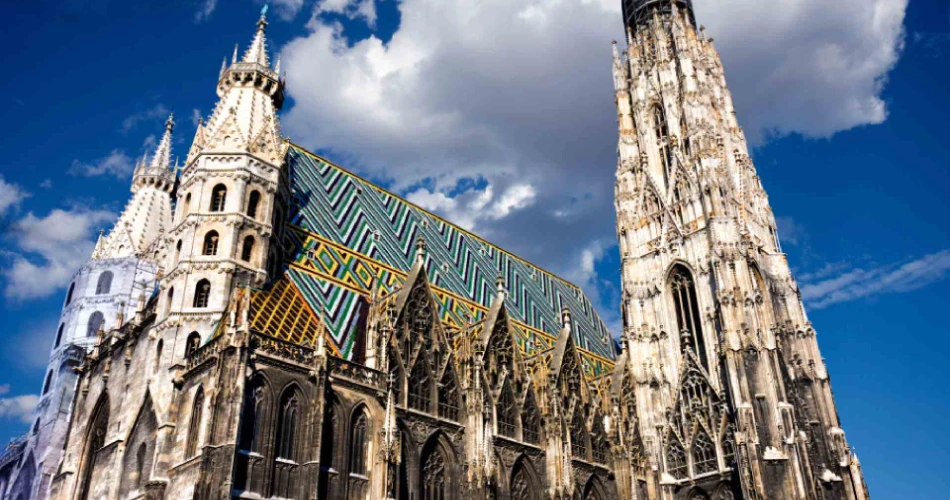
Early origins (12th century): Originally a Romanesque church, St. Stephen’s was rebuilt and expanded into a full Gothic cathedral during the Middle Ages.
Imperial and civic importance: The cathedral witnessed royal weddings, imperial funerals, and key historical events, including the funeral of Emperor Friedrich III.
Survival and restoration: Despite significant damage during World War II, Stephansdom was carefully restored, becoming a symbol of Vienna’s resilience and faith.
Spiritual role: Today, it serves as the seat of the Archbishop of Vienna and remains an active place of worship.
Gothic Architecture and Unique Features
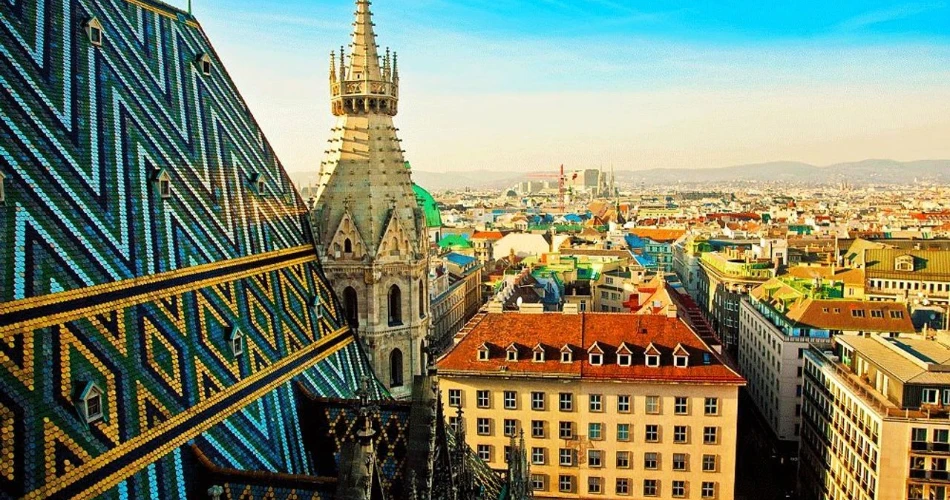
St. Stephen’s Cathedral is one of Europe’s finest examples of Gothic architecture, admired for its intricate details and symbolic elements.
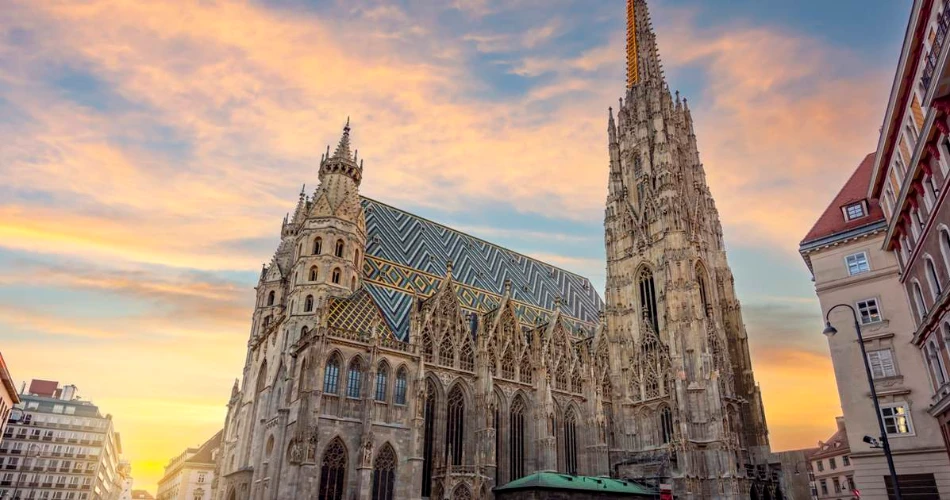
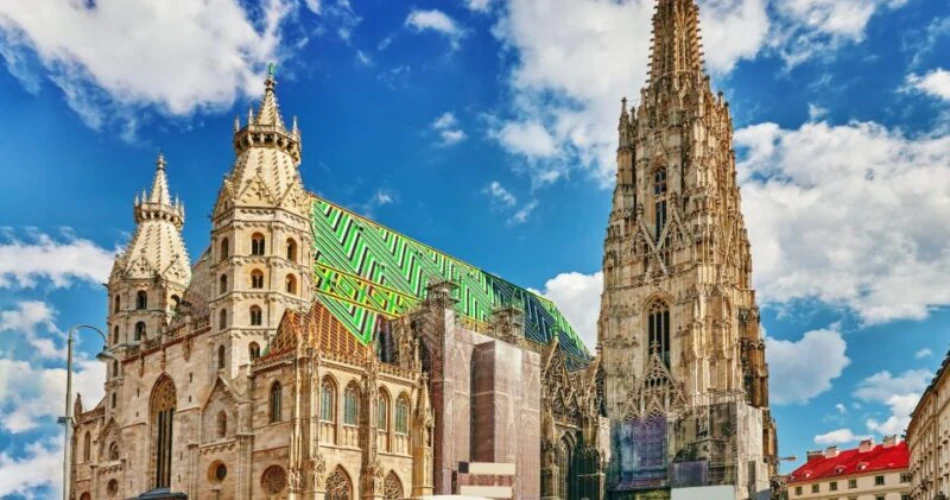
The South Tower (Steffl): Completed in 1433, rising 136 meters (446 feet), it was Vienna’s tallest structure for centuries.
Colorful tiled roof: More than 230,000 glazed tiles create striking geometric patterns, including Vienna’s coat of arms and the Habsburg double-headed eagle.
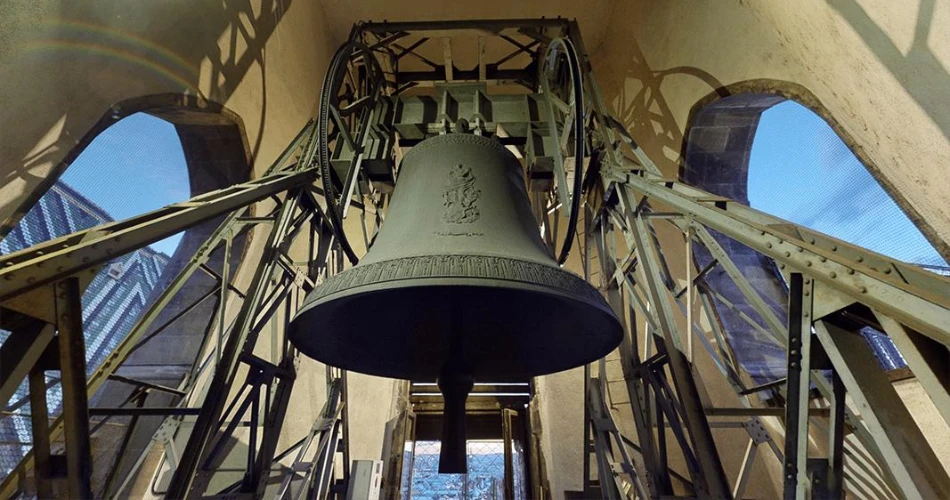
The North Tower: Left unfinished but houses the Pummerin Bell, one of Europe’s largest, which rings on major occasions.
Exterior sculptures: Dozens of statues of saints, apostles, and mythical creatures adorn the façade, showcasing medieval craftsmanship.
Why Climb the South Tower?
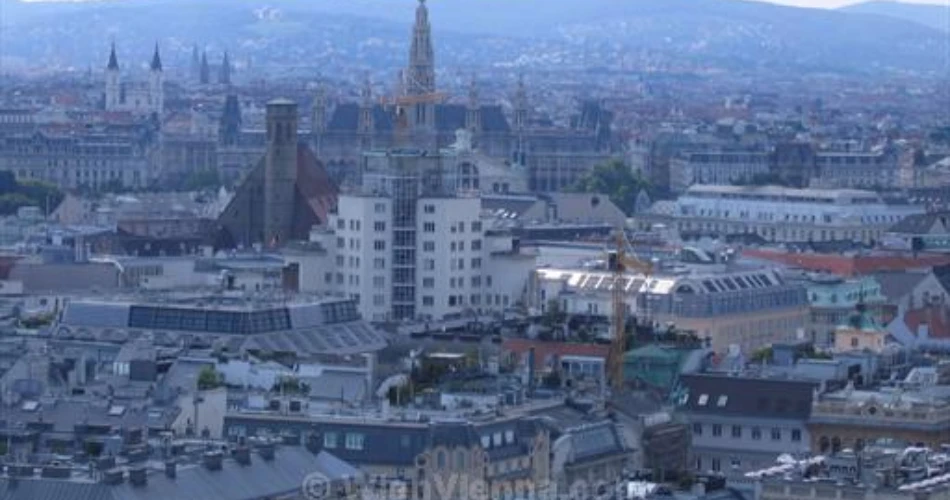
While Stephansdom is magnificent from the ground, the South Tower offers something truly special.
Unmatched panoramic views: See Vienna’s old town rooftops, Hofburg Palace, the Danube River, and even distant hills on a clear day.
An immersive climb: The 343 spiral steps create a sense of adventure as you ascend through the narrow medieval staircase.
A photographer’s dream: The viewing platform at the top provides ideal angles for capturing Vienna’s skyline.
Climbing the South Tower isn’t just sightseeing—it’s stepping into history while earning a spectacular reward at the top.
How to Climb the South Tower – A Step-by-Step Guide

Entrance and Tickets
Location: Stephansplatz, 1010 Vienna, Austria.
Access: The South Tower entrance is inside the cathedral; clear signage points to the staircase.
Ticket prices: Around €6–€8 for adults with concessions for children, students, and groups.
Payment options: Tickets can be purchased on-site; some Vienna city passes include discounts.
The Climb
Staircase: A narrow spiral with 343 steps, requiring moderate fitness.
Lighting and ventilation: Well-lit, but enclosed—those with claustrophobia should take note.
Pacing: There are small landings where you can pause to catch your breath.
The Viewing Platform
360-degree views: Once at the top, Vienna stretches out beneath your feet.
What you’ll see: Look for St. Charles’s Church, the State Opera House, Belvedere Palace, and distant vineyards.
Photo tips: Use a small camera or smartphone; large gear is difficult to manage in the tight space.
Highlights Inside St. Stephen’s Cathedral
After your climb, make time to explore the cathedral’s interior treasures:
High Altar: A Baroque masterpiece depicting the stoning of St. Stephen, the cathedral’s patron saint.
Pulpit by Anton Pilgram: Renowned for its intricate Gothic carvings.
Catacombs: Guided tours beneath the cathedral reveal historic crypts and burial sites.
North Tower and Pummerin Bell: For a different view, take the elevator in the North Tower and see the giant bell up close.
Early mornings (8:00–10:00 AM): Avoid crowds and enjoy a peaceful atmosphere.
Late afternoons (4:00–6:00 PM): Golden sunlight enhances panoramic views from the tower.
Festive seasons: During Christmas, Stephansplatz transforms with lights and markets, making your visit even more magical.
Practical Visiting Tips
Wear sturdy shoes: Essential for the climb’s narrow steps.
Check the weather: Clear skies make for the best city views.
Bring water: Particularly in summer months.
Plan at least 1.5–2 hours: Enough time to explore both the tower and cathedral interior.
Avoid peak tour times: Early or late visits are calmer.
Nearby Attractions in Vienna’s Historic Center
St. Stephen’s Cathedral sits in Stephansplatz, the heart of Vienna, making it an excellent base to explore nearby sights:
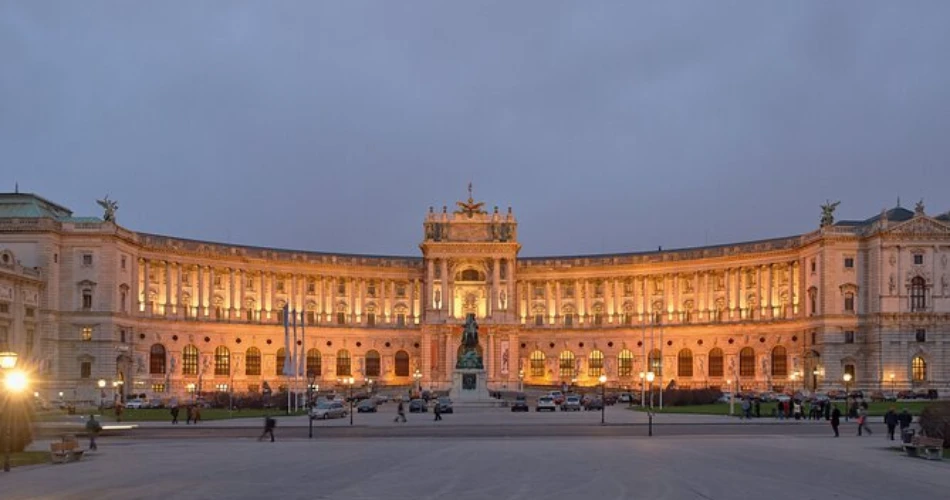
Hofburg Palace (10 minutes): Visit imperial apartments, museums, and the Spanish Riding School.
Graben and Kärntner Strasse (2 minutes): Elegant shopping streets lined with luxury boutiques and historic cafés.
Mozarthaus Vienna (3 minutes): See Mozart’s preserved residence, now a museum.
Vienna State Opera (10 minutes): A short walk for one of the world’s finest opera experiences.
Traditional cafés: Stop at Café Demel or Café Sacher for classic Viennese desserts.
Conclusion
Climbing St. Stephen’s Cathedral South Tower is an experience no Vienna visitor should miss. Beyond the 343 steps, you’ll find stunning panoramic views, a sense of accomplishment, and a deeper connection to Vienna’s history. Pair your climb with a tour of the cathedral’s chapels, catacombs, and North Tower for a complete experience of Austria’s most iconic church.
Stephansdom isn’t just a stop on your itinerary—it’s the heart of Vienna, waiting to be explored from floor to spire.