

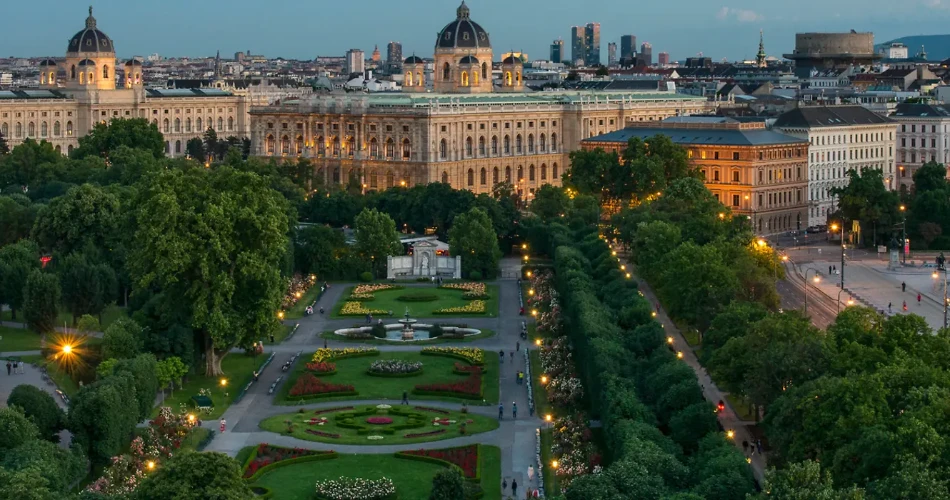
Vienna’s Ringstrasse Boulevard is not just a street; it is a 5.3-kilometer journey through the city’s history, architecture, and culture. Built in the mid-19th century after the demolition of Vienna’s medieval city walls, it encircles the city center, connecting some of the most significant buildings and landmarks in Austria. The boulevard reflects Vienna’s transformation from a fortified medieval town into a modern imperial capital.
Visitors can explore the Ringstrasse on foot to enjoy the architectural details of grand buildings, or they can take a tram ride to see the entire loop comfortably while still learning about the city’s history. This boulevard is considered a living museum where every corner tells a story, from majestic palaces to world-renowned museums and serene parks. A walk along the Ringstrasse is a perfect way to immerse yourself in the cultural and historical heartbeat of Vienna.
The History of Ringstrasse: From City Walls to Imperial Boulevard
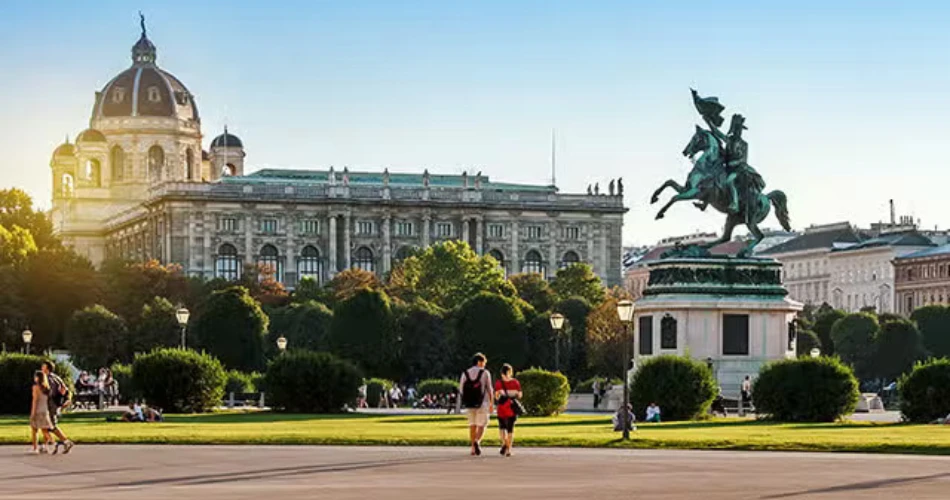
The Ringstrasse was created in 1857 when Emperor Franz Joseph I ordered the demolition of Vienna’s outdated medieval city walls. The goal was to modernize the city while simultaneously showcasing the power and sophistication of the Habsburg Empire. This ambitious project transformed the area surrounding the old fortifications into a grand boulevard that could host parades, public events, and cultural activities.
Architects embraced historicist design principles, drawing from Gothic, Renaissance, Baroque, and neo-classical styles to create a cohesive yet diverse architectural landscape. The boulevard was planned to accommodate public transportation, including trams, as well as parks and squares that provided open spaces for leisure and gatherings. Over time, the Ringstrasse became both a functional urban road and a cultural symbol of Vienna’s transformation during the 19th century. Walking its route offers a tangible connection to the city’s historical and political development.
Vienna State Opera: Neo-Renaissance Masterpiece
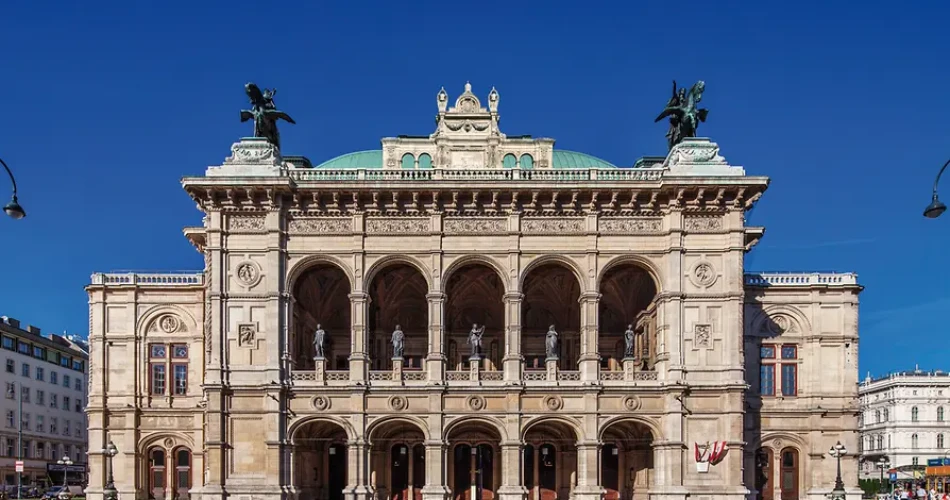
The Vienna State Opera, completed in 1869, is one of the most iconic structures on the Ringstrasse. Built in the neo-Renaissance style, the opera house features a grand façade with ornate statues, arched windows, and decorative detailing that showcase Vienna’s architectural mastery. Inside, the opulent staircase, chandeliers, and frescoed ceilings make the interior a visual delight.
The opera house is home to over 300 performances every year, including classical operas and ballet, attracting music enthusiasts from around the world. Guided tours offer visitors a behind-the-scenes look at rehearsal spaces, lounges, and other historic areas. Whether attending a performance or walking past its façade, the Vienna State Opera provides an immersive experience of the city’s rich musical and cultural heritage.
Hofburg Palace: The Imperial Residence
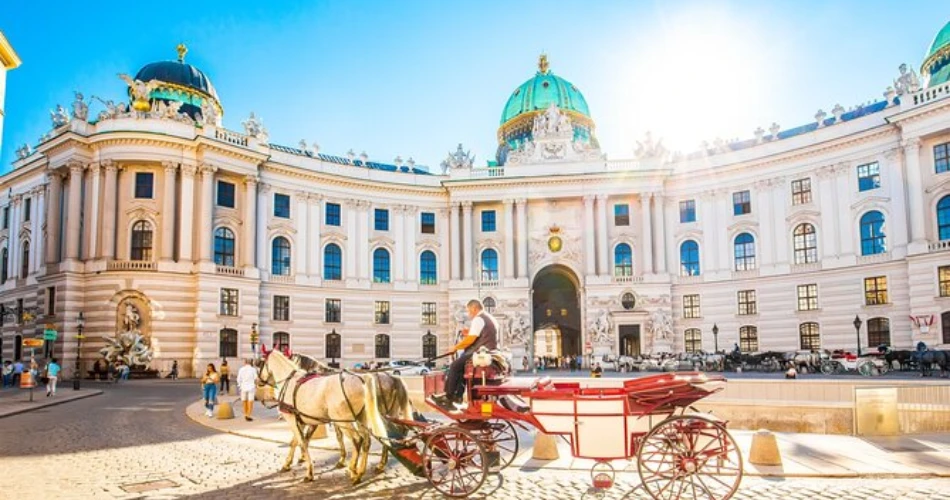
The Hofburg Palace is a sprawling complex that once served as the winter residence of the Habsburg dynasty. Today, it houses multiple museums, the office of the Austrian president, and the renowned Spanish Riding School. Architecturally, the Hofburg reflects centuries of development, incorporating Gothic, Renaissance, and Baroque elements.
Visitors can explore the Imperial Apartments, the Sisi Museum, and the Silver Collection to gain insight into the life and culture of Vienna’s ruling family. The palace also hosts various events and exhibitions, highlighting its historical and cultural importance. Walking through the courtyards, grand halls, and ceremonial spaces provides a sense of the palace’s opulence and the central role it played in European politics and society over centuries.
Austrian Parliament Building: Neoclassical Elegance
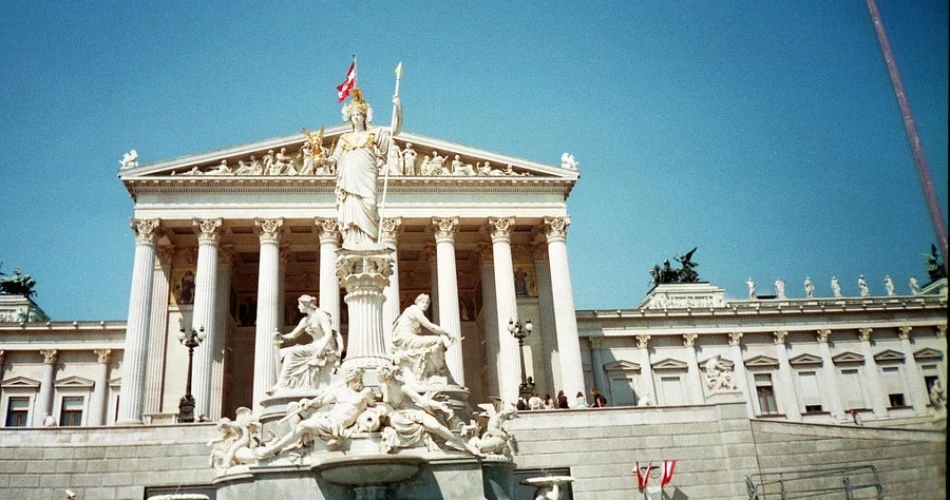
The Austrian Parliament Building, completed in 1883, is designed in a neoclassical style inspired by ancient Greek temples. Its façade features tall columns, detailed statues, and the Pallas Athena Fountain, symbolizing wisdom and civic responsibility. Inside, grand halls display artwork depicting Austria’s political history and legislative traditions.
The Parliament is an important symbol of Austrian democracy and political development. Guided tours help visitors understand the building’s architecture, historical significance, and parliamentary procedures. Situated along the Ringstrasse, the Parliament Building is part of a continuous line of historic and cultural landmarks that collectively tell the story of Vienna’s evolution as a European capital.
Vienna City Hall (Rathaus): Gothic Revival Masterpiece
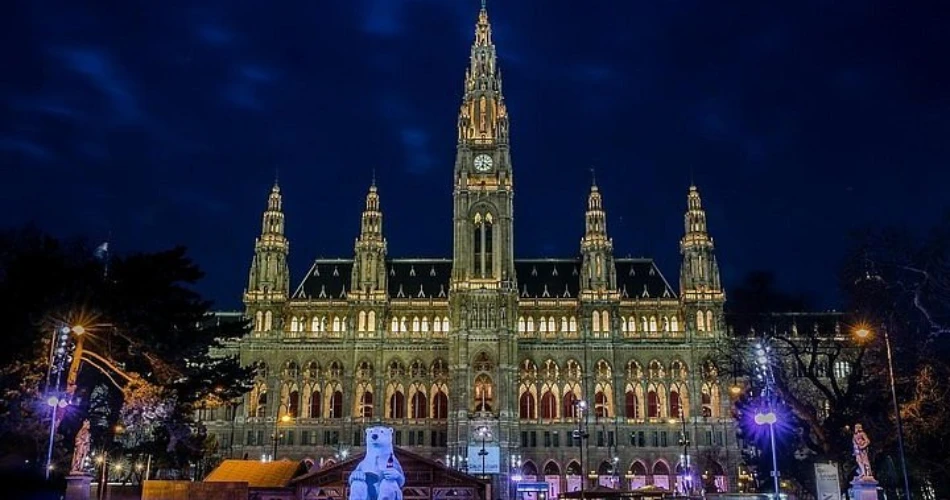
Vienna City Hall, also known as Rathaus, is a neo-Gothic building completed in 1883. Its central tower, ornate façade, and intricate stonework make it one of the most recognizable structures along the Ringstrasse. It houses the offices of the mayor and city council and hosts cultural events, exhibitions, and civic functions throughout the year.
The square in front of the Rathaus is a popular public space, transformed seasonally into a Christmas market in winter and an open-air venue for festivals and concerts in summer. The building’s Gothic features, including pointed arches and decorative spires, make it a striking example of historicist architecture and a must-see landmark for visitors to the Ringstrasse.
Kunsthistorisches Museum: A Treasure of Art
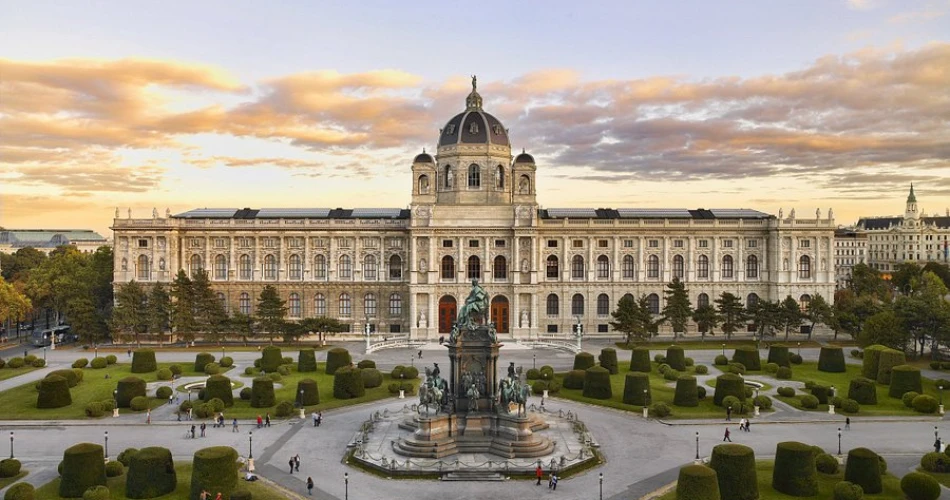
The Kunsthistorisches Museum, opened in 1891, is one of Vienna’s premier art museums. Its vast collection includes European paintings, classical antiquities, Egyptian artifacts, and decorative arts. Masterpieces by artists such as Rembrandt, Titian, and Raphael are highlights of the collection, while the architecture of the museum itself—with grand staircases, vaulted ceilings, and marble floors—enhances the visitor experience.
The museum sits directly across from the Naturhistorisches Museum, creating a visually impressive pair along the boulevard. Spending time in the Kunsthistorisches Museum offers an in-depth exploration of Vienna’s artistic and cultural history and is an essential part of any tour of the Ringstrasse.
Hidden Gems Along the Ringstrasse
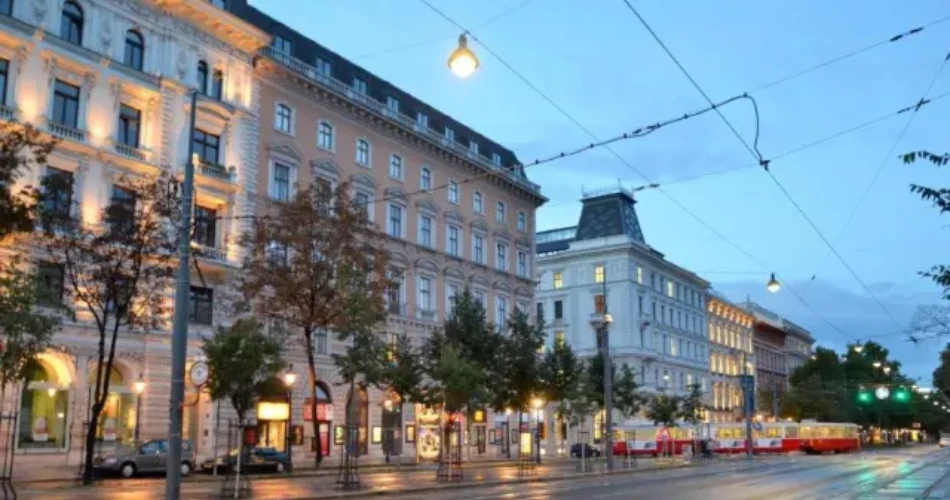
The Ringstrasse is home to several lesser-known landmarks that enrich the experience of the boulevard. Votivkirche, a neo-Gothic church built to commemorate Emperor Franz Joseph’s survival from an assassination attempt, is noted for its stained glass windows and sculptural detailing. Stadtpark provides a green retreat with the famous golden statue of Johann Strauss II, ideal for relaxation or photography. The University of Vienna showcases historic academic architecture, while Kursalon Wien hosts classical concerts and events. Exploring these hidden gems offers visitors unique insights into Vienna’s cultural diversity beyond the major landmarks.
Exploring the Ringstrasse: Walking vs. Tram
Walking: Exploring the Ringstrasse on foot allows visitors to fully appreciate the architectural details, stop at parks or cafés, and take photographs at their own pace. Comfortable footwear is recommended due to the boulevard’s length. Walking also encourages a more immersive experience, allowing spontaneous discoveries along the route.
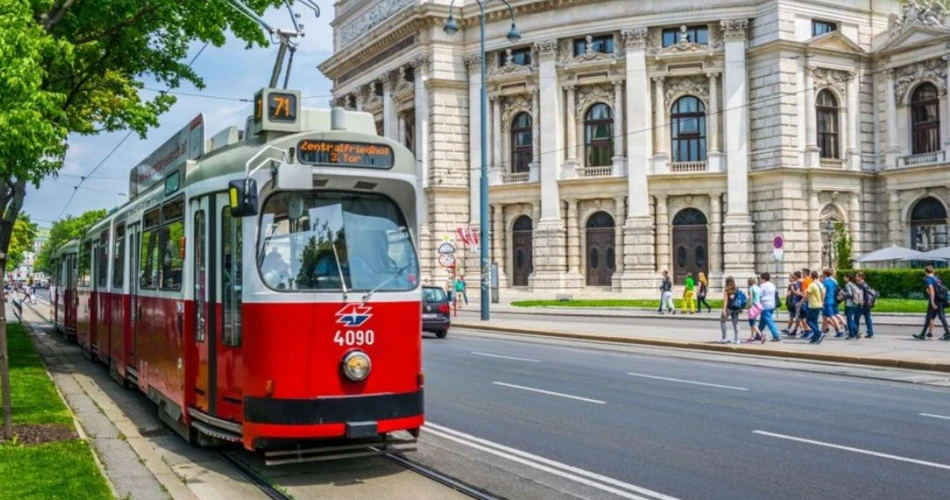
Tram: Vienna’s Ring Tram and other tram lines provide a convenient way to see the entire boulevard. The tram completes the loop in roughly 25 minutes and is an ideal option for those with limited time or mobility considerations. Combining walking and tram travel gives visitors flexibility and ensures a comprehensive experience of the Ringstrasse.
Practical Tips for Visiting Ringstrasse
Best Time to Visit: Spring and autumn offer mild weather; winter brings festive lights and Christmas markets.
Accessibility: Most areas and trams are wheelchair accessible.
Guided Tours: Recommended for in-depth historical and architectural context.
Photography: Early morning or late afternoon provides optimal lighting.
Planning: Allocate at least half a day to explore major landmarks thoroughly.
Conclusion: A Timeless Journey Through Vienna
The Ringstrasse Boulevard is a reflection of Vienna’s imperial past, cultural richness, and architectural brilliance. Walking or taking a tram along this historic circular boulevard allows visitors to experience a combination of grand palaces, museums, parks, and hidden treasures. Each landmark represents a chapter of Vienna’s history and contributes to the city’s unique character. Visiting the Ringstrasse offers a comprehensive and unforgettable experience of Vienna, making it an essential destination for travelers seeking to understand the heart of the city.