

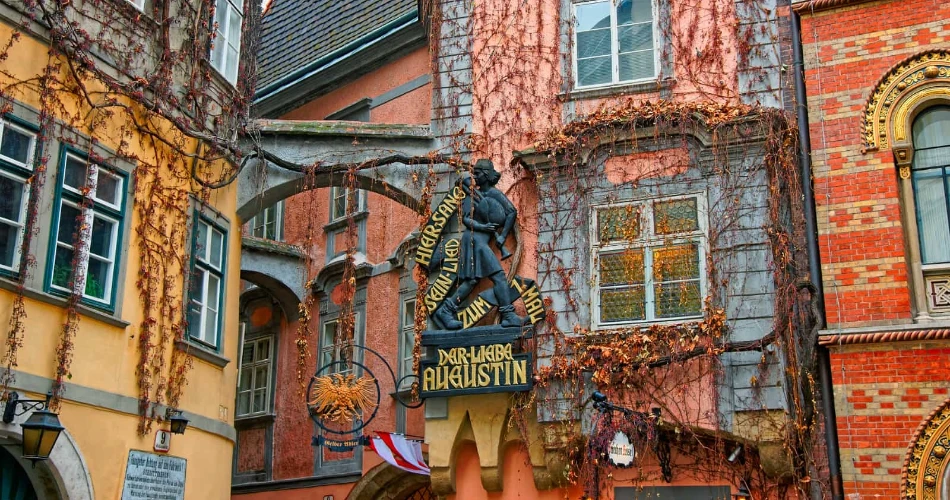
Griechenbeisl is not just a restaurant—it is a living piece of Vienna’s history. Established in 1447, it is the city’s oldest dining establishment, making it a must-visit for anyone interested in cultural heritage and gastronomy. Situated in the heart of Vienna, the restaurant has witnessed the evolution of the city through centuries of political, cultural, and social changes. The name “Griechenbeisl” reflects the Greek and Levantine merchants who settled nearby during the 17th century, influencing the area’s trade and culinary landscape. Over the years, it has retained its historic charm while providing modern comforts to its guests. From medieval cellar vaults to elegantly decorated dining rooms, Griechenbeisl offers a unique ambiance where every corner tells a story. Its enduring popularity highlights Vienna’s appreciation for traditional cuisine and cultural continuity.
A Rich History Dating Back to the 15th Century
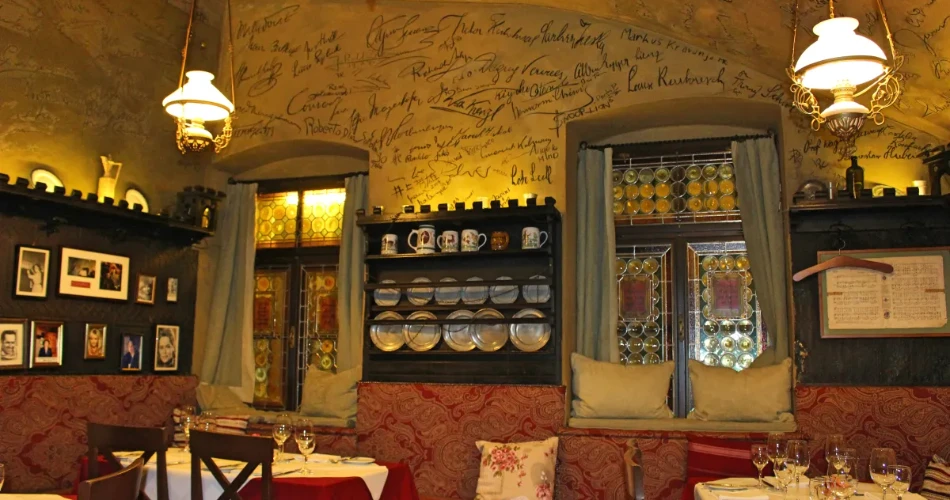
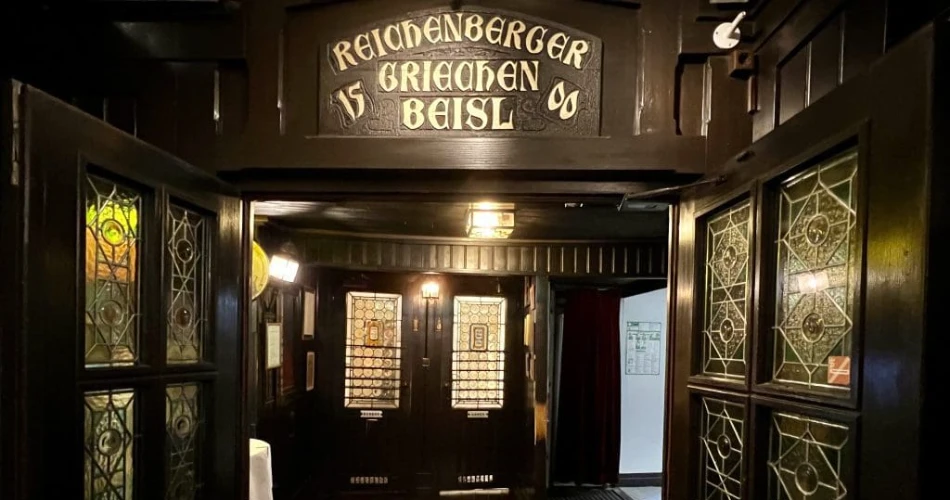
Griechenbeisl’s historical significance goes far beyond its age. Documented in 1447, it has served as a social hub for locals, travelers, and artists for nearly six centuries. The restaurant’s origins reflect Vienna’s status as a thriving trade center in Central Europe, with influences from Greek and Eastern merchants who introduced new culinary ideas and traditions. Over the centuries, it has survived wars, political upheavals, and the city’s rapid modernization while maintaining its authenticity. The building itself is partly medieval, with portions of the cellar connected to ancient tunnels beneath the city, which once served as trade and storage routes. This architectural continuity offers guests a direct connection to Vienna’s past, allowing them to experience history as an immersive part of dining. Visitors can feel the layers of time in every stone and timber that forms Griechenbeisl’s structure.
Architectural and Interior Splendor
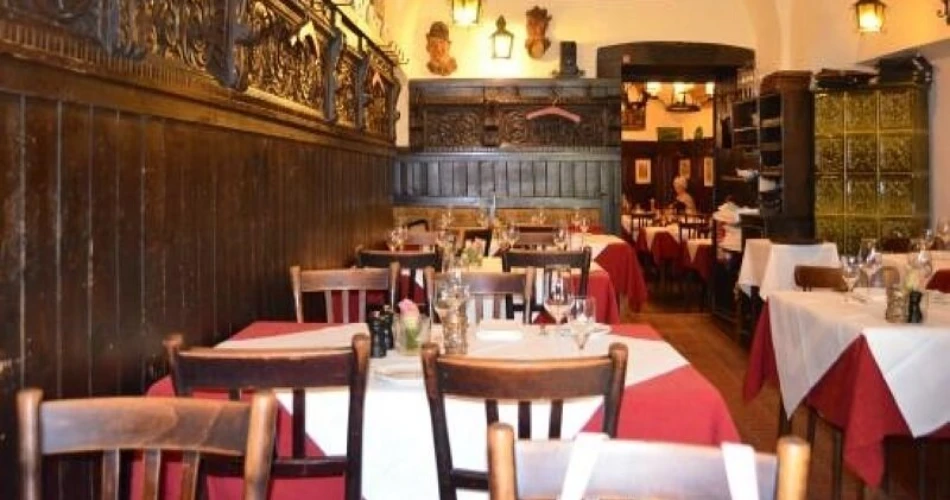
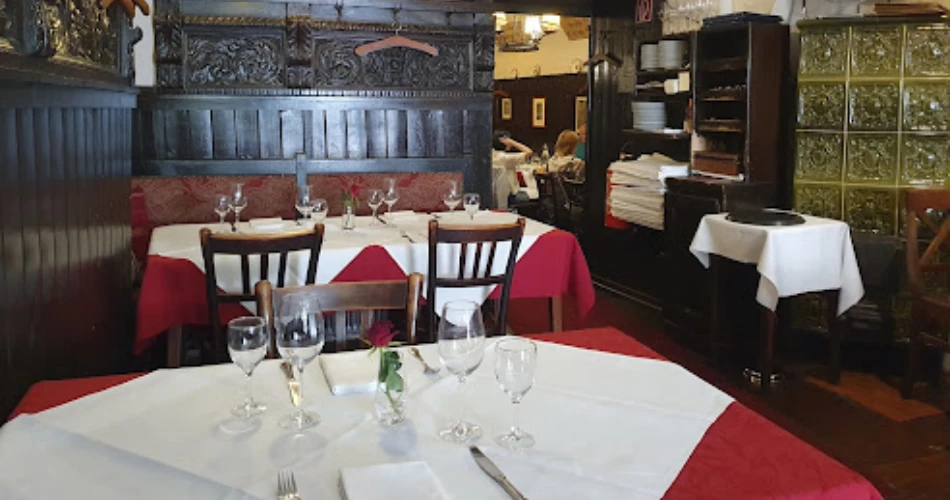
The architecture of Griechenbeisl reflects Vienna’s medieval and Renaissance periods, making it a visual delight as well as a culinary destination. The restaurant features several distinct dining rooms, each with its own atmosphere. The Zitherstüberl is known for its rustic charm and musical heritage, while the Mark Twain Room is adorned with signatures of famous historical visitors, offering a literary connection. The Rundes Zimmer, with its large round table, was once a meeting place for Vienna’s elite, and the Carlsbader Zimmer features memorabilia from the spa town of Karlsbad. Upstairs, the Augustin Stuben provides intimate rooms like the Kerzenstüberl, Biedermeierzimmer, and Jagdzimmer, each carefully decorated to reflect historical styles. Original vaulted ceilings, wooden beams, and antique furnishings add to the ambiance, creating an environment where guests feel transported back in time while enjoying modern hospitality.
Cultural Hub for Artists and Intellectuals
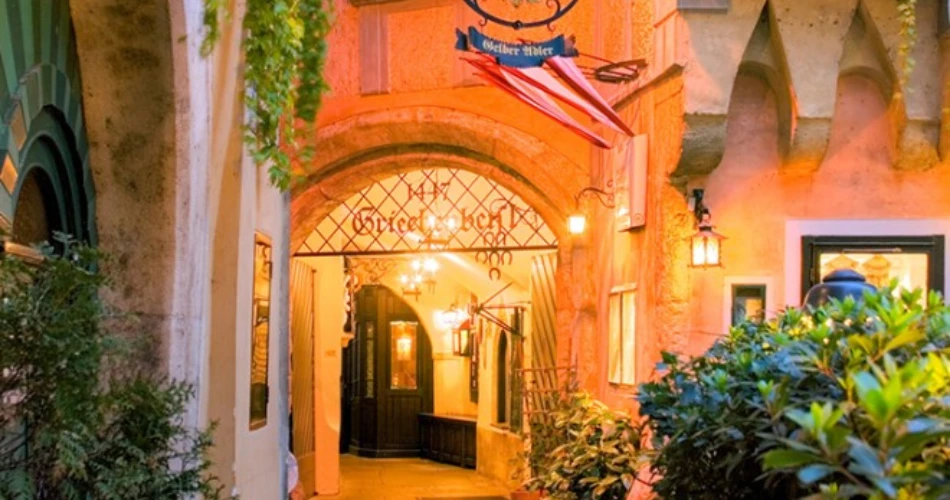
Throughout its history, Griechenbeisl has been a favored gathering place for artists, writers, and musicians. Legends such as Ludwig van Beethoven, Wolfgang Amadeus Mozart, and Johannes Brahms frequented the restaurant, contributing to its status as a cultural hub. Even writers and travelers like Mark Twain left their mark, literally, by signing the walls of the designated rooms. This tradition of patrons leaving signatures continues today, allowing contemporary visitors to be part of a living history. Griechenbeisl’s enduring reputation as a meeting place for Vienna’s creative elite demonstrates the symbiotic relationship between cuisine, culture, and society. Dining here is not only a culinary experience but also a journey through Vienna’s intellectual and artistic heritage, making it an essential stop for those seeking both history and flavor.
Authentic Viennese Cuisine
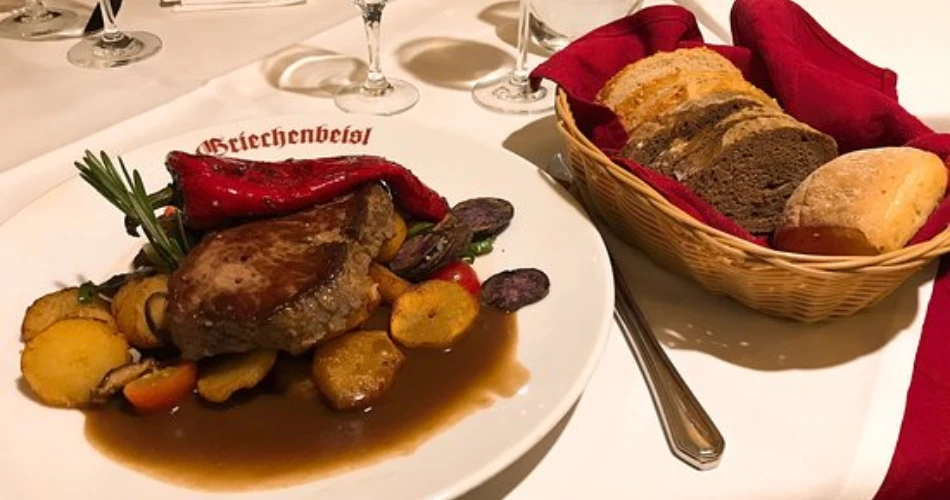
The menu at Griechenbeisl is a celebration of traditional Viennese cuisine, prepared with locally sourced ingredients. Signature dishes include Wiener Schnitzel, a breaded veal cutlet served with potato salad; Tafelspitz, boiled beef served with horseradish and apple sauce; Zwiebelrostbraten, a roast beef dish topped with caramelized onions; and Kaiserschmarrn, a fluffy shredded pancake typically served with stewed plums. Seasonal specialties and vegetarian options ensure there is something for every palate. Each dish is prepared using classic recipes passed down through generations, combining culinary tradition with careful attention to flavor and presentation. The restaurant’s dedication to authenticity ensures that guests can experience Vienna’s culinary heritage in every bite, making it a destination not only for history enthusiasts but also for food lovers seeking genuine Austrian flavors.
Musical Heritage and Live Performances
Music has always been integral to the character of Griechenbeisl. The 17th-century street singer Marx Augustin, known for the song “Der liebe Augustin,” was closely associated with the tavern. His legendary story of survival after being mistakenly declared dead during a plague outbreak is still celebrated today. Modern visitors can enjoy live performances of traditional Austrian music, including zither concerts, which enrich the dining experience and transport guests back to earlier centuries. This musical tradition reflects the restaurant’s ongoing commitment to preserving Vienna’s cultural heritage while providing an immersive experience. The combination of historical ambiance, culinary excellence, and live music makes dining at Griechenbeisl a multisensory journey through Vienna’s rich artistic and musical traditions.
A Living Museum of Vienna’s History
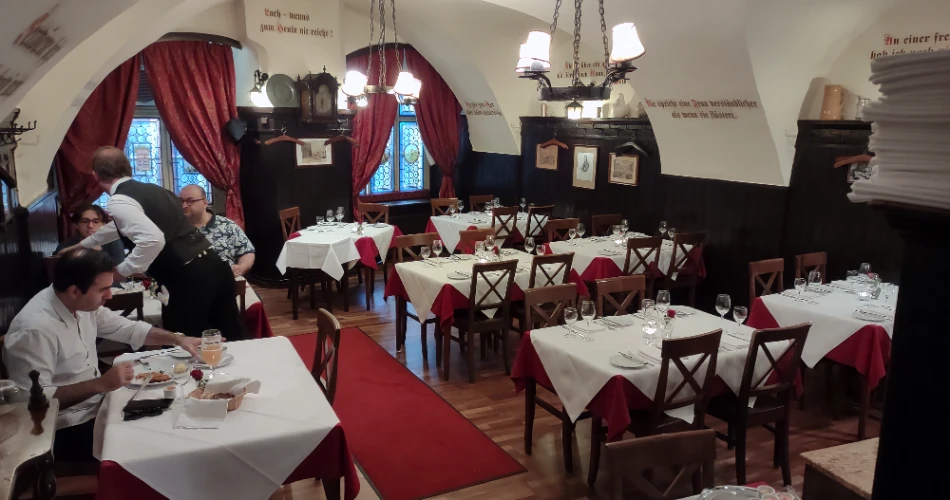
Griechenbeisl is often described as a living museum, where every wall and room carries the imprint of the past. Signatures and inscriptions from historical figures adorn the walls, and many of the rooms display antique furniture and decor from different eras. Guests can view medieval architectural elements, vaulted ceilings, and historic artifacts that collectively showcase the city’s evolution over centuries. By dining in this historic setting, visitors become part of the ongoing story, contributing to the restaurant’s legacy. Griechenbeisl’s preservation efforts highlight the importance of cultural continuity, offering a tangible connection to Vienna’s history that is rare in contemporary urban settings. This combination of historical depth, architectural beauty, and cultural significance makes the restaurant an essential stop for anyone interested in understanding the city’s identity.
Planning Your Visit to Griechenbeisl
Griechenbeisl is conveniently located at Fleischmarkt 11, in Vienna’s first district, close to the Holy Trinity Greek Orthodox Church. Easily accessible by public transportation, it is recommended to book reservations in advance, particularly during tourist peak seasons. The restaurant operates daily from noon to late evening, allowing guests flexibility in planning their visit. Arriving early provides the opportunity to explore the historic rooms, appreciate the detailed architecture, and fully enjoy the ambiance before meals are served. Visitors are encouraged to spend time observing the historical details, reading the inscriptions, and absorbing the cultural atmosphere, which enhances the overall experience beyond dining.
Why Griechenbeisl Should Be on Your Vienna Itinerary
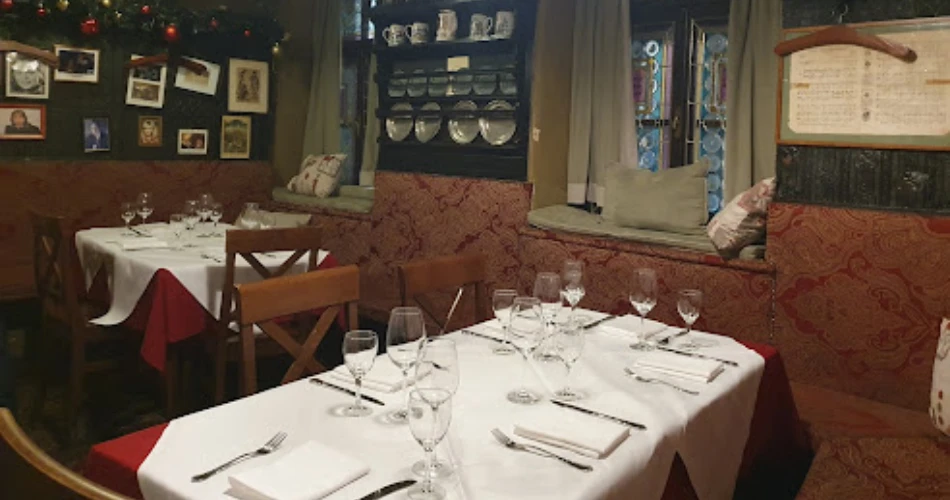
Griechenbeisl offers a unique combination of history, architecture, cuisine, and culture, making it a must-visit in Vienna. Dining here is an opportunity to experience authentic Viennese cuisine while surrounded by centuries of artistic and cultural heritage. It is ideal for travelers interested in history, music, architecture, or culinary traditions. The restaurant’s distinctive ambiance, live music, and intimate dining rooms provide an unforgettable experience that cannot be replicated elsewhere. Whether you are a history enthusiast, a food lover, or a traveler seeking an immersive cultural experience, Griechenbeisl delivers a complete package of sensory, educational, and culinary pleasures. Visiting this historic establishment allows guests to step into Vienna’s past while enjoying modern hospitality.
Conclusion
Griechenbeisl is more than a restaurant; it is a living testament to Vienna’s enduring history and culture. From its medieval architecture to its traditional cuisine, musical heritage, and role as a cultural gathering place, it embodies the essence of Vienna’s past and present. Dining here is not merely about food; it is about stepping into centuries of tradition, art, and history. Griechenbeisl continues to welcome guests from around the world, preserving the city’s heritage while offering a unique and memorable experience. For anyone exploring Vienna, a visit to Griechenbeisl is both an educational and culinary journey that brings the city’s history vividly to life.