

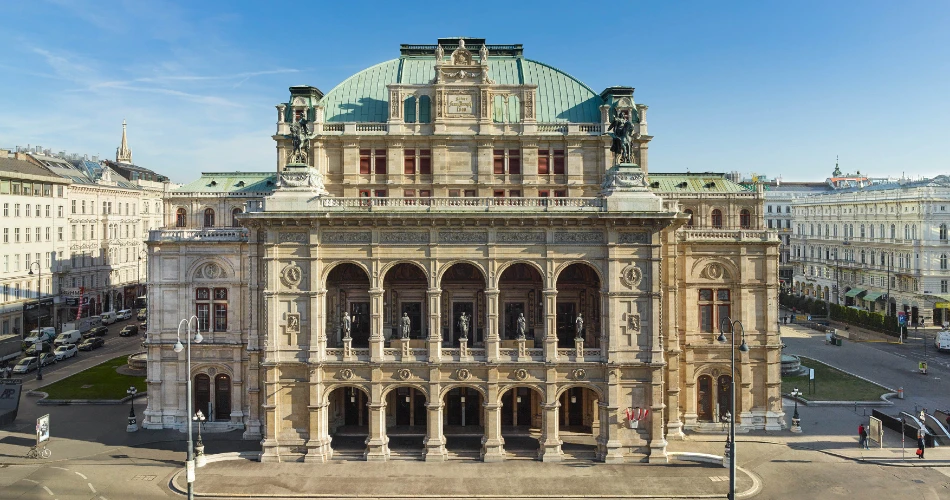
The Vienna State Opera (Wiener Staatsoper) is one of the most prestigious opera houses in the world and a symbol of Austria’s artistic heritage. Located on Vienna’s iconic Ringstrasse, this stunning Renaissance Revival building opened in 1869 with a performance of Mozart’s Don Giovanni. It has since become a stage where legendary conductors, singers, and composers have left their mark. Whether you’re attending an evening performance or exploring backstage through a Vienna State Opera guided tour, you’ll experience the soul of Viennese culture. With breathtaking interiors, world-class productions, and a rich history of resilience and innovation, the Staatsoper is not just a venue—it’s a living museum of music, architecture, and tradition.
The History and Legacy of the Wiener Staatsoper
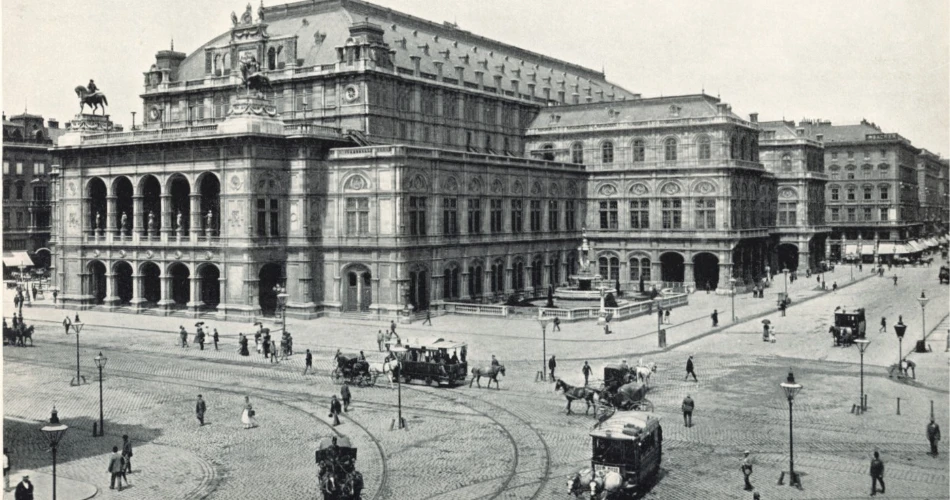
The Vienna State Opera has a rich and sometimes turbulent history. Designed by architects August Sicard von Sicardsburg and Eduard van der Nüll, the building was initially criticized by the Viennese public, earning the nickname “the sunken chest” due to its street-level positioning. Tragically, van der Nüll died before seeing its completion. Despite this rocky start, the opera house flourished as Vienna became a global hub for classical music.
During World War II, the Staatsoper suffered devastating bomb damage, leaving only its entrance hall, grand staircase, and main façade intact. Painstaking reconstruction efforts restored its splendor, and in 1955 it reopened with Beethoven’s Fidelio as its first post-war performance. Since then, the Staatsoper has become a symbol of cultural resilience, staging over 300 performances annually and attracting opera lovers from every corner of the world. Its roster has included legendary names like Gustav Mahler, Herbert von Karajan, and Anna Netrebko.
Attending a Live Opera Performance
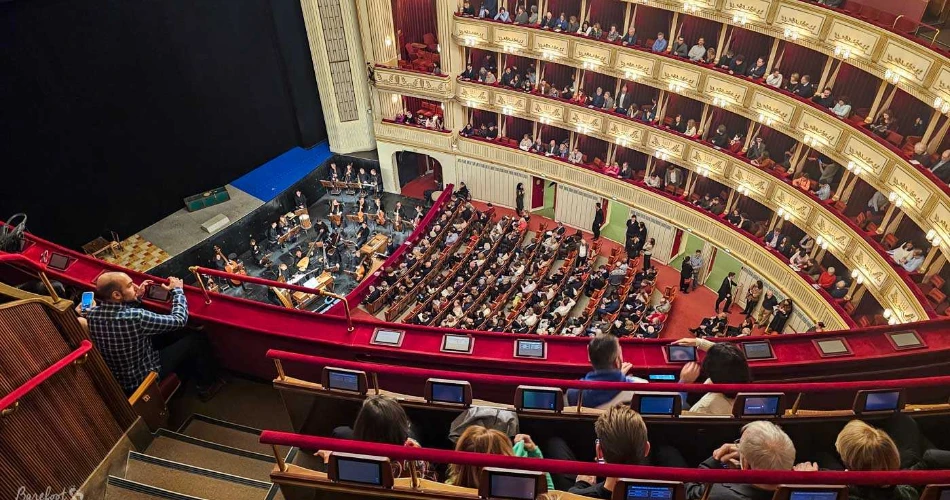
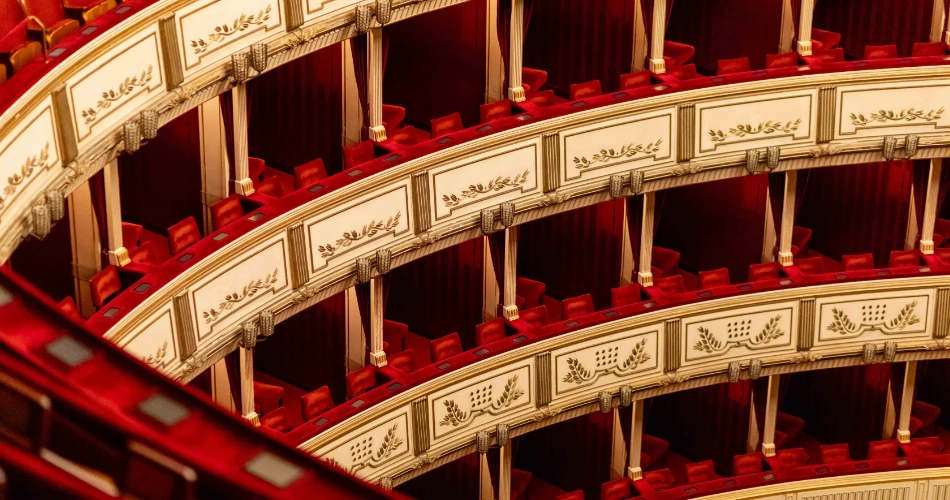
A night at the Vienna State Opera is an unforgettable experience. The auditorium, with its gilded balconies, red velvet seats, and crystal chandeliers, offers impeccable acoustics no matter where you sit. Performances range from Mozart’s timeless operas to Puccini’s emotionally charged works and even classical ballet.
Tickets are available online through the official Wiener Staatsoper website or at the box office. If premium seats are beyond your budget, consider standing-room tickets (“Stehplatz”), a Viennese tradition that allows visitors to enjoy world-class productions for just a few euros. These tickets are sold on the day of the performance, so arriving early is key.
Most performances last two to four hours, with one or two intermissions that allow time to enjoy refreshments, admire the grand staircase, or simply soak in the ambiance of this iconic venue.
Opera Etiquette and Dress Code
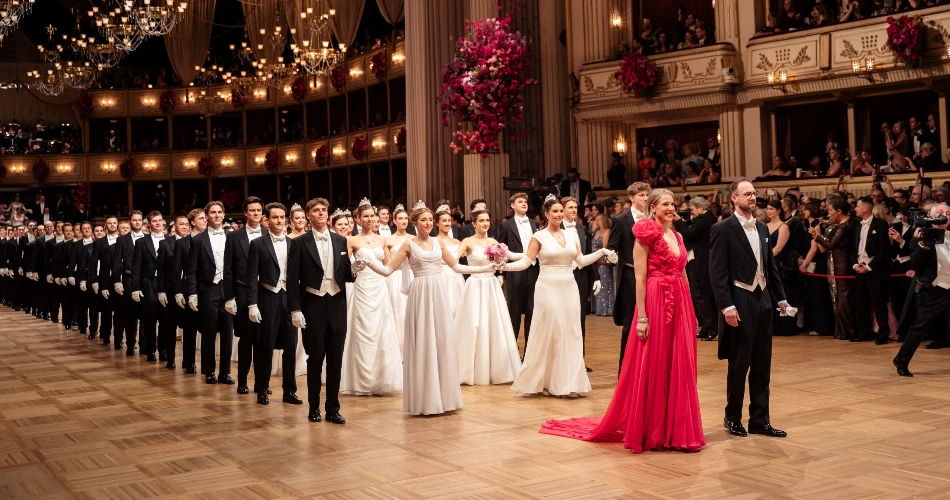
Although there’s no strict dress code, attending an opera in Vienna feels like an elegant occasion. Many locals and visitors wear business casual or semi-formal attire, while evening gowns and suits are common at gala events or premieres.
Plan to arrive at least 30 minutes before curtain time to settle in, check coats at the cloakroom, and take photos of the grand foyer without rushing. Turn off mobile phones, and avoid photography during performances to respect both the artists and fellow audience members. Applause is typically given at the end of acts or after an especially moving aria.
Following these simple etiquette guidelines enhances your experience and honors the long-standing traditions of this world-famous cultural institution.
Taking a Vienna State Opera Guided Tour
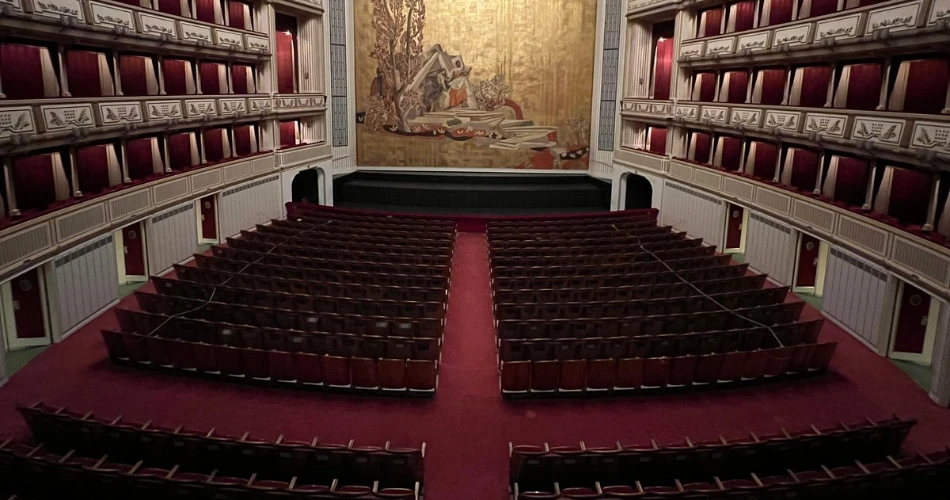
If you’re short on time or not ready to commit to a full opera performance, a Vienna State Opera guided tour is the perfect way to explore this landmark. Tours typically last 40–60 minutes and are offered in several languages, including English and German.
Guides lead visitors through key parts of the building, including the lavish entrance hall, the marble Grand Staircase, the Schwind Foyer with its murals, and the magnificent auditorium. You’ll also see backstage areas normally off-limits to the public, such as rehearsal rooms, costume workshops, and stage machinery.
The tour offers fascinating stories about the opera house’s history, architectural design, and daily operations. Booking in advance is recommended, especially during the summer and holiday seasons when Vienna attracts many tourists.
Architectural Highlights and Artistic Details
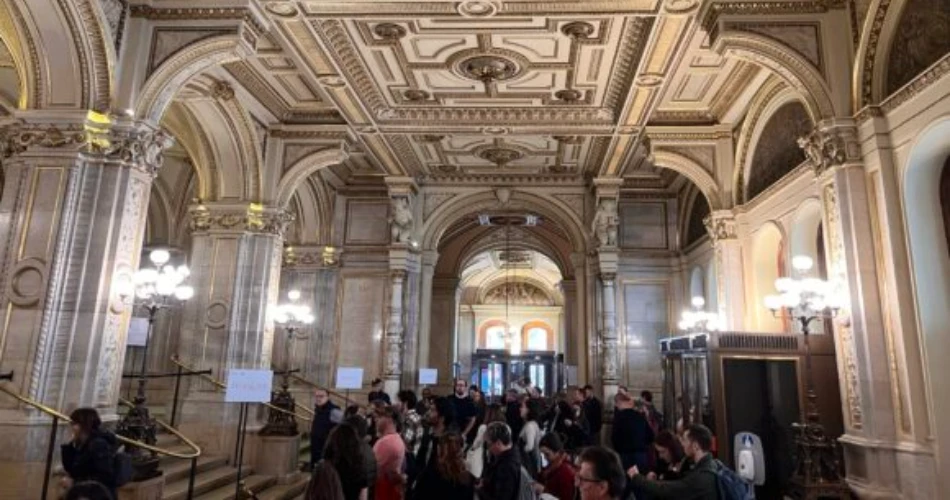
The Vienna State Opera is not just an opera house—it’s an architectural masterpiece. Its Renaissance Revival style features intricate stucco work, marble columns, and ceiling frescoes that celebrate music and drama.
The Grand Staircase is a highlight, with elegant arches and ornate chandeliers that make it one of the most photographed spots in Vienna. Inside the auditorium, gilded details and plush seating reflect imperial grandeur. Meanwhile, the stage is one of the largest and most technologically advanced in Europe, capable of rapid set changes to accommodate Vienna’s varied and demanding performance schedule.
Even if you only visit on a guided tour, take time to appreciate how tradition and innovation harmonize in every detail of this remarkable building.
Inside the Opera House: Spaces to Discover
During a guided tour, you’ll explore several unique spaces:
Entrance Hall – A majestic introduction to the Staatsoper.
Schwind Foyer – Decorated with murals celebrating the history of opera.
Auditorium – Famous for its outstanding acoustics and imperial box.
Backstage Areas – Featuring rehearsal rooms, dressing rooms, and advanced stage equipment.
Costume Workshops – Where elaborate outfits for performers are created and maintained.
Each space reveals how artistry and engineering come together to deliver seamless performances night after night.
The Vienna Opera Ball: A Night of Glamour
Beyond its operatic productions, the Vienna State Opera hosts the world-renowned Vienna Opera Ball each February. For one night, the opera house transforms into a glittering ballroom filled with music, waltzing couples, and international celebrities.
The event attracts dignitaries, artists, and visitors from around the globe, making it a highlight of Vienna’s cultural calendar. Even if you don’t attend the ball, knowing its history enriches your appreciation of the Staatsoper as a place where tradition, elegance, and artistry meet.
Final Thoughts
The Vienna State Opera is more than a performance venue—it’s a living symbol of Vienna’s cultural soul. Whether you attend a full opera, purchase a standing-room ticket, or explore behind the scenes on a guided tour, the experience is unforgettable.
You’ll step into a space where music, architecture, and history converge, surrounded by the legacy of legendary composers and performers. From the glittering chandeliers to the hidden backstage machinery, every corner of the Staatsoper tells a story.
If you’re planning a trip to Vienna, the Staatsoper deserves a top spot on your itinerary. It’s not just a cultural stop—it’s an immersion into centuries of artistry that defines Austria’s capital city.